Travel Value Finder

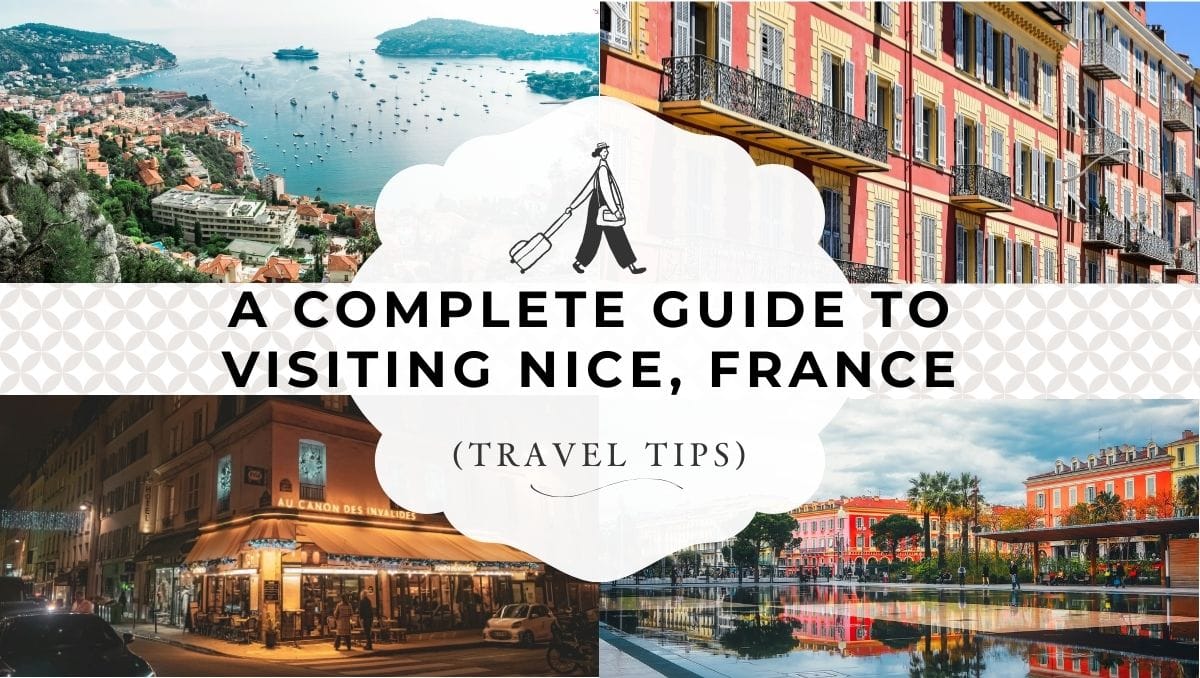
Top Tips and Attractions in Nice: A Complete Guide
If you’re planning a trip to the French Riviera, this complete guide to visiting Nice will help you make the most of your time in the city. Nice combines sun-soaked beaches, vibrant markets, and rich cultural landmarks, making it a destination that appeals to all types of travelers. Highlights include strolling along the Promenade des Anglais, exploring the colorful Old Town (Vieux Nice), and visiting world-class museums like the Marc Chagall and Matisse museums.
Beyond the main attractions, Nice also offers culinary delights, charming cafes, and scenic viewpoints such as Castle Hill, which provides panoramic views of the city and coastline. Whether you’re here for a short getaway or a longer stay, this guide covers the essential experiences, insider tips, and hidden gems that ensure you enjoy every moment of your visit to Nice, France.
What Is Nice, France Known For?
Nice, France is known for its Mediterranean beaches, Old Town (Vieux Nice), the Promenade des Anglais, mild climate, and its location on the French Riviera near Monaco and Italy. It combines beach relaxation, cultural attractions, and easy access to nearby Riviera towns.
Table of Contents
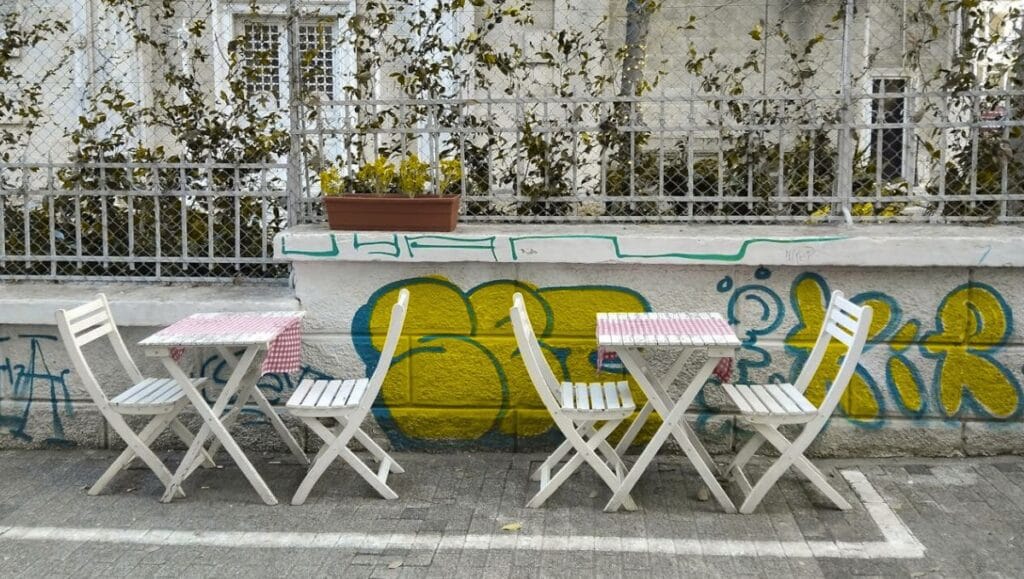
Nice rewards travelers who look beyond the beach for small local corners.
A Complete Guide to Visiting Nice, France
Planning a trip to the French Riviera? This complete guide to visiting Nice, France is built to help you plan smarter, travel better, and experience the city like more than just a tourist. Nice is one of those rare destinations that works just as well for a long weekend as it does for a slow, sun-soaked European escape.
Beloved by American travelers for its accessibility and by Europeans for its lifestyle, Nice blends Mediterranean beaches, historic neighborhoods, and world-class food into one effortlessly beautiful city.

Why Nice, France Should Be on Your Travel List
Nice is the unofficial capital of the French Riviera—and for good reason. It offers culture, coastline, and connectivity all in one place.
Why Visit Nice, France?
Nice is worth visiting because it offers beaches, culture, food, and walkability in one destination. Unlike smaller Riviera towns, Nice feels like a real city while still delivering classic Mediterranean scenery.
- Mediterranean climate with 300+ sunny days per year
- Easy international access via Nice Côte d’Azur Airport
- Walkable city with beaches, museums, and Old Town
- Perfect base for Monaco, Cannes, and Provence
- More affordable than many Riviera resort towns
This complete guide to visiting Nice, France focuses on helping first-time and repeat visitors experience the city beyond the clichés.
Where Is Nice Located?
Nice is located in southeastern France, along the Mediterranean coast, near the Italian border. Its strategic location makes it one of the most accessible cities in southern Europe.
- France–Italy border: ~30 minutes away
- Monaco: 20 minutes by train
- Cannes: 35 minutes by train
For travelers exploring multiple countries, Nice fits seamlessly into a broader European itinerary.
How to Get to Nice (US & Europe)
From the United States
Most US travelers fly into Nice Côte d’Azur Airport (NCE) with one stop in Paris, London, or Frankfurt. The airport is only 15 minutes from the city center—one of the easiest airport-to-city transfers in Europe.
From Europe
Nice is extremely well-connected:
- Direct flights from major European hubs
- High-speed trains from Paris and Marseille
- Scenic coastal rail routes from Italy
This accessibility is a major reason this complete guide to visiting Nice, France consistently recommends it for both short and extended trips.
Best Time to Visit Nice, France
The best time to visit Nice, France is from April to June and September to October, when the weather is warm, crowds are smaller, and prices are more reasonable. Nice is a year-round destination, but timing matters depending on your travel style.
Best Time to Visit Nice
- Spring (April–June): Best weather, fewer crowds
- Summer (July–August): Peak beach season and festivals
- Fall (September–October): Warm sea, calmer atmosphere
- Winter (November–March): Mild winters, cultural travel, better prices
European travelers often prefer shoulder seasons, while American visitors typically plan summer trips—just be prepared for crowds in August.
Is Nice, France Expensive to Visit?
Nice is moderately expensive but more affordable than Paris or Monaco. Costs vary by season, location, and dining choices.
Typical daily costs (per person):
- Budget: €90–120
- Mid-range: €150–220
- Luxury: €300+
How Many Days Do You Need in Nice, France?
Most travelers need 3 to 4 days in Nice, France to explore the city and enjoy at least one day trip along the French Riviera.
Recommended stay:
- 2 days: Highlights only (Old Town, Promenade, beach)
- 3–4 days: Relaxed pace + Monaco or Èze
- 5+ days: Multiple Riviera towns and slow travel
Top Things to Do in Nice
Discover the best things to do in Nice France. Nice balances sightseeing and slow travel better than most Riviera cities.
- 1. Explore Old Town (Vieux Nice): Old Town is the soul of Nice. Expect narrow streets, baroque churches, local markets, and traditional Niçoise cuisine.
- 2. Walk the Promenade des Anglais: This iconic waterfront promenade stretches along the Mediterranean and is ideal for walking, biking, or sunset views.
- 3. Castle Hill (Colline du Château): Climb or take the elevator for panoramic views over Nice’s coastline and Old Town—one of the most photographed spots in the city.
- 4. Enjoy the Beaches: Nice is known for its pebble beaches and crystal-clear water. Public beaches are free, while private beach clubs offer loungers and service.
Any complete guide to visiting Nice, France would be incomplete without highlighting how easy it is to combine culture and relaxation here.
What to Eat in Nice (Local Food Guide)
Nice has a distinct regional cuisine that differs from classic French dishes. Explore the best restaurants in Nice France.
Must-Try Foods in Nice
- Socca: Chickpea flatbread, best eaten hot
- Salade Niçoise: Tuna, eggs, olives (no potatoes locally)
- Pissaladière: Onion tart with anchovies
- Ratatouille: Provençal vegetable dish
American travelers may find portions smaller than expected, while European visitors will feel right at home with café culture and long lunches.
Where to Stay in Nice
Deciding where to stay in Nice? Choosing the right neighborhood can completely change your experience. The best area to stay in Nice depends on your travel style, but Carré d’Or and Old Town are ideal for first-time visitors.
Best Areas to Stay in Nice
- Old Town: Historic, lively, walkable
- Carré d’Or: Central, upscale, ideal for first-timers
- Promenade des Anglais: Sea views and beach access
- Liberation: Local, affordable, authentic
Hotels, boutique stays, and short-term rentals are all widely available, making this complete guide to visiting Nice, France suitable for every budget.
How Do You Get Around Nice, France?
The best way to get around Nice is on foot and by public transportation. Trams, buses, and trains make the city and nearby towns easy to explore. Nice is one of the easiest French cities to navigate.
- Walking: Best for central neighborhoods
- Trams & buses: Affordable and reliable
- Trains: Ideal for Riviera day trips (Monaco, Cannes, Antibes)
You don’t need a car unless you plan to explore rural Provence.
Best Day Trips from Nice
One reason travelers love Nice is how much you can see without changing hotels.
Best Day Trips from Nice
- Monaco: Casinos, harbor views, royal palace
- Cannes: Glamour, beaches, shopping
- Èze: Medieval village with stunning views
- Antibes: Old Town charm and Picasso Museum
This flexibility is a key advantage mentioned in every complete guide to visiting Nice, France.
Which city is right for you?

Nice vs Other Cities: Ultimate French Travel Comparison
Wondering which French city or Riviera town is best for your trip? This table compares Nice, Cannes, Monaco, Antibes, and Paris across vibe, attractions, beaches, cost, and ideal length of stay. Use it to quickly decide your itinerary.
Mega Comparison Table: Nice vs Other Cities
| Feature | Nice | Cannes | Monaco | Antibes | Paris |
| Overall vibe | Lively, cultural, city + beach | Glamorous, upscale, resort-like | Ultra-luxury, exclusive | Charming, historic, quiet | Bustling, urban, cosmopolitan |
| Best for | First-time visitors, longer stays | Luxury travelers, short visits | Luxury travelers, day trips | Day trips, families, relaxed pace | Art, history, shopping, city lovers |
| Beaches | Pebble beaches, public & private | Mostly sandy, private clubs | Man-made & limited | Sandy beaches, more intimate | N/A |
| Things to do | Old Town, museums, Promenade des Anglais | Shopping, beaches, festivals | Casino, harbor, luxury shopping | Picasso Museum, historic port, ramparts | Eiffel Tower, Louvre, Montmartre, Seine cruises |
| Nightlife | Casual bars & seaside dining | High-end clubs & lounges | Exclusive clubs & events | Low-key, local bars | Vibrant clubs, theaters, Michelin-star restaurants |
| Cost | Moderate | Generally higher | Very expensive | Slightly cheaper | Expensive |
| Size | Large city | Medium city | Very small city-state | Small town | Large metropolis |
| Transportation | Walkable + trams + trains | Smaller, less connected | Easy from Nice by train | Accessible by train | Extensive metro, buses, trains |
| Accommodation | Hotels, rentals, B&Bs | Hotels, luxury resorts | Limited & high-end | Boutique hotels, guesthouses | Wide range, often more expensive |
| Best length of stay | 3–5 days | 1–2 days | Half-day or full-day | Half-day to 2 days | 4–7 days |
- A Comparison Guide to the Complete Guide to Visiting Nice, France and Riviera Towns
Quick Summary
- Nice: Ideal for first-time visitors wanting culture, beaches, and Riviera access.
- Cannes: Best for luxury, glitz, and short high-end stays.
- Monaco: Perfect as a day trip for luxury, casinos, and harbor views.
- Antibes: Great for a relaxed visit, boutique hotels, and a quieter beach town.
- Paris: Excellent for art, history, shopping, and iconic city experiences.
Practical Travel Tips for Nice
- English is widely spoken, but basic French is appreciated
- Restaurants often close between lunch and dinner
- Dress is stylish but relaxed—especially in the evenings
- Tipping is included; rounding up is optional
These small details make a big difference in how comfortable your trip feels.
Is Nice France Worth Visiting?
Nice offers something rare: a city that feels both vibrant and livable. Whether you’re coming from the US for your first European vacation or traveling within Europe for a coastal escape, Nice delivers culture, scenery, and ease in equal measure.
This complete guide to visiting Nice, France is designed to help you in designing an amazing trip to Nice, France and the Riviera Towns. I hope you will find these information helpful in your planning to Nice, France.
Frequently Asked Questions to the Complete Guide to Visiting Nice France
1. Is Nice, France expensive to visit?
Nice is moderately expensive but generally more affordable than Paris or Monaco. Daily costs depend on season and travel style, but budget travelers can manage with careful planning, while mid-range visitors will find plenty of hotels and restaurants at reasonable Riviera prices.
2. Is Nice safe for tourists?
Yes, Nice is considered safe for tourists. Violent crime is rare, but pickpocketing can occur in crowded areas such as Old Town, public transportation, and tourist hotspots. Staying alert and following basic safety precautions is usually sufficient.
3. Is English spoken in Nice, France?
Yes, English is widely spoken in Nice, especially in hotels, restaurants, shops, and tourist areas. While locals appreciate hearing basic French phrases, visitors from the US and Europe can comfortably travel in Nice without speaking fluent French.
4. How do you get around Nice, France without a car?
You can easily get around Nice without a car by walking, using trams and buses, or taking regional trains. The city is compact and walkable, and public transportation is affordable, reliable, and well-connected to nearby Riviera towns.
5. Can you visit Monaco or Cannes from Nice?
Yes, Monaco and Cannes are easy day trips from Nice. Trains run frequently along the coast, with Monaco about 20 minutes away and Cannes around 35 minutes, making Nice an excellent base for exploring the French Riviera.
6. Do you need a car to explore Nice and the Riviera?
No, you do not need a car to explore Nice and most of the French Riviera. Trains and public transportation provide easy access to coastal towns like Monaco, Antibes, and Cannes, while Nice itself is best explored on foot.
7. Are the beaches in Nice sandy or rocky?
The beaches in Nice are mostly pebble beaches, not sandy. While this surprises some visitors, the pebbles help keep the water exceptionally clear, and many beaches offer private clubs with loungers and easy sea access.
8. What travel tips should I know before going to Nice, France?
Before visiting Nice, know that restaurants often close between lunch and dinner, tipping is minimal, comfortable walking shoes are essential, and dressing stylishly but casually is common. Learning a few French phrases is helpful but not required.
9. Should I stay in Nice or another Riviera town?
Most travelers should stay in Nice because it offers better transportation, more dining options, and a wider range of accommodations. Smaller Riviera towns like Cannes or Antibes are better visited as day trips from Nice.
10. Is one week too long in Nice?
No, one week is not too long in Nice if you plan day trips. Staying longer allows time to explore Monaco, Cannes, Èze, Antibes, and nearby coastal villages while enjoying a relaxed Mediterranean pace.
11. Can you visit Nice with limited French?
Yes, you can easily visit Nice with limited French. English is commonly spoken in tourist areas, and signage is clear. However, using basic French greetings is appreciated and can enhance interactions with locals.
Pages That Support This Guide
To help with deeper planning, this page connects to detailed guides such as: