Travel Value Finder

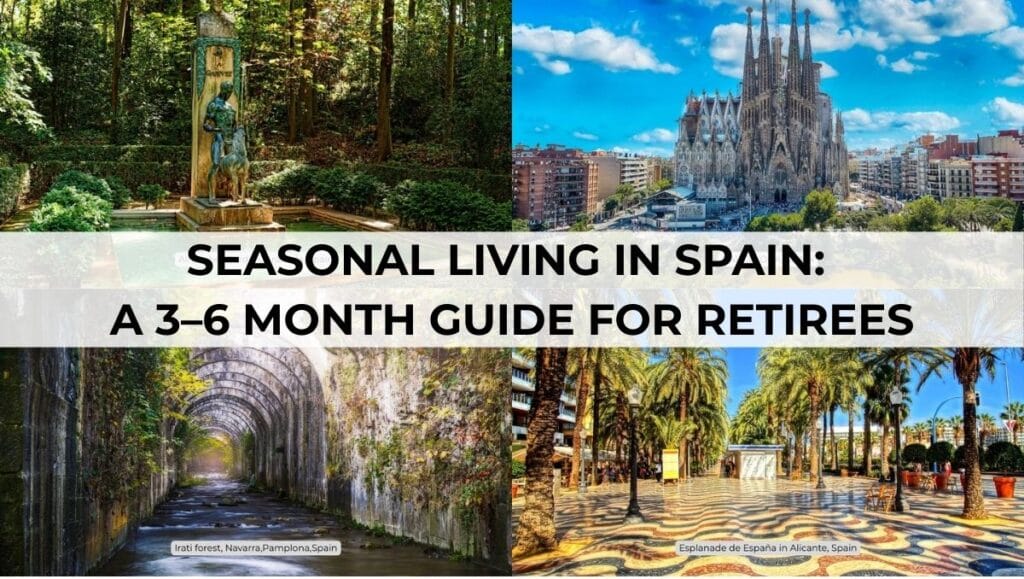
Why Seasonal Living in Spain Can Work for Retirees? When I first started planning my retirement in Spain, I wasn’t sure I wanted to commit to a full-year stay immediately. Seasonal living-spending 3 – 6 months in Spain each year-offered a way to test regions, build confidence, and enjoy the country without overcommitting.
Leslie Nics, TravelValueFinder.com | Last updated: April 2026 | Based on first-hand research having spent seasonal living in Spain.
Table of Contents
Planning Seasonal Living in Spain: Tips for Retirees
Many retirees over 55 choose this approach because it allows flexibility: you can enjoy warm winters in the south, cooler summers in the north, or simply balance life between Spain and your home country.
The key is planning and understanding the costs, logistics, and local rules. Done right, seasonal living becomes a bridge to full retirement or a long-term hybrid lifestyle.
This guide is written for people over 55 who are researching travel, long-term stays, or retirement abroad. I share real-world planning insights, official sources, and practical examples to help you understand what life in Spain is actually like – not just the highlights.
This content is educational, not legal or financial advice. Rules change, and personal situations differ, so I always recommend confirming details with official or professional sources before making decisions. Refer to the Trust & Transparency page for more information.
How Seasonal Living Differs From Full Retirement
Unlike full-year residency, seasonal living has unique considerations:
- Visa status: You may stay on a tourist visa (typically 90 days within Schengen), or a Non-Lucrative Visa if staying longer.
- Healthcare: Short-term insurance or private coverage may be needed until residency applies.
- Housing: Rentals may be seasonal, flexible, or furnished.
- Community: Social integration may be limited compared to full-time residents.
Example:
I spoke with a couple who started with 4 months in Valencia. They rented a fully furnished apartment, bought short-term health insurance, and gradually built friendships in local expat and cultural groups. This gave them confidence before committing to permanent relocation.
Tip:
Treat your first seasonal experience as a trial run. Take notes on costs, commute, social opportunities, and lifestyle fit.
Planning Your Seasonal Living in Spain
Planning a seasonal stay in Spain requires careful preparation to ensure a smooth and enjoyable experience. From selecting the right region and securing short-term housing to understanding visa requirements and healthcare options, several key steps make seasonal living easier for retirees. By following a structured plan, you can maximize your time abroad, enjoy Spain’s climate and culture, and avoid common pitfalls that could disrupt your stay. The following steps break down the essential considerations for a successful 3 – 6 month seasonal retirement in Spain.
Step 1: Decide Duration and Timing
Your first decision is how long and when to stay:
- Winter (November – March): Ideal for retirees escaping harsh winters at home; popular in Costa del Sol and Costa Blanca.
- Spring (April – June): Mild weather, fewer tourists, great for exploring cities like Madrid or Barcelona.
- Summer (July – September): Hotter months, but great for coastal towns and inland mountain regions.
Example:
A retiree couple splits their year: winter in Málaga, spring in Valencia, summer back home in Europe. This allows a balanced budget and exposure to different climates.
Tip:
Check regional weather patterns, peak tourist seasons, and local festivals to maximize enjoyment and minimize cost.
Step 2: Housing for 3 – 6 Months
Seasonal rentals differ from long-term leases. Many retirees choose:
- Furnished apartments or condos
- Short-term rental platforms
- Local property management companies
Example:
A retiree rented a fully furnished 1-bedroom apartment near Alicante for $1,000 per month. The landlord handled utilities and internet, making the stay stress-free.
Tip:
Look for flexible rental agreements-3 – 6 months minimum, with renewal options. Avoid committing to 12-month leases until you’re sure of your preferred region.
Step 3: Budgeting Seasonal Living
Seasonal living requires careful budgeting for the cost of living in Spain:
| Expense | Estimated Monthly Cost (Single) | Estimated Monthly Cost (Couple) | Notes |
|---|---|---|---|
| Housing | $900 – $1,300 | $1,100 – $1,700 | Furnished, short-term rentals tend to be slightly higher per month |
| Utilities | $100 – $160 | $130 – $200 | Often included in short-term rentals, confirm with landlord |
| Food | $300 – $450 | $450 – $650 | Local markets reduce cost |
| Transportation | $40 – $80 | $60 – $120 | Car optional depending on region |
| Health Insurance | $80 – $180 | $160 – $300 | Short-term or international coverage |
| Entertainment & Lifestyle | $100 – $200 | $150 – $300 | Day trips, cultural events |
| Miscellaneous | $80 – $150 | $120 – $200 | Travel, personal expenses |
| Total Monthly | $1,600 – $2,500 | $2,400 – $3,400 | Comfortable seasonal lifestyle |
Example:
A single retiree budgeted $1,800/month in Valencia for 4 months:
- rent $1,000,
- food $300,
- utilities $120,
- insurance $140,
- transport $60,
- lifestyle $180.
By tracking monthly, she stayed on budget and avoided surprises. If in Madrid, the Madrid metro pass is highly recommended.
Tip:
Add a 10 – 15% buffer for unexpected costs like medical visits or seasonal travel.
Step 4: Healthcare Planning
Short-term living requires careful consideration of healthcare medical coverage:
- Tourist insurance: Often sufficient for stays under 90 days in Schengen.
- International or expat health insurance: Ideal for longer seasonal stays.
- Local clinics: Understand which clinics accept short-term residents.
Example:
A retiree on a 4-month stay used an international plan for emergencies and registered at a local clinic for routine visits. This combination kept costs low and access convenient.
Tip:
Always carry documentation of insurance and residency/travel permits.
Step 5: Social Integration and Lifestyle
Seasonal living can feel different socially than full retirement:
- Join expat or hobby groups: Cooking classes, walking groups, or language courses help build friendships.
- Participate in local events: Markets, festivals, and cultural events offer immersion and fun.
- Stay flexible: You may need to adjust social expectations each season.
Example:
A retiree joined a Valencia expat book club during her winter stay. She maintained these relationships online after returning home, easing re-entry during her next visit.
Tip:
Treat social integration as a gradual process. Even seasonal exposure creates familiarity and comfort over time.
Step 6: Regional Considerations for Seasonal Living
Spain’s regions differ in climate, cost, and expat community:
| Region | Best Season | Notes |
|---|---|---|
| Costa Blanca | Winter | Mild, dry, affordable coastal living |
| Costa del Sol | Winter | Social expat community, English widely spoken |
| Valencia | Spring | Balanced cost, good public transport, cultural events |
| Barcelona | Spring/Summer | Vibrant cultural life, higher cost |
| Northern Spain | Summer | Cooler, green landscapes, less crowded |
| Inland Cities | Off-season | Affordable, authentic local experience |
Tip:
Match your stay with weather, personal preferences, and social opportunities.

Common Seasonal Living in Spain Mistakes
- Arriving unprepared: Not checking rental agreements, insurance, or visa limits.
- Overcommitting: Renting a 12-month property before trying seasonal stays.
- Ignoring transportation needs: Some towns require a car; others don’t.
- Underestimating regional differences: Cost and lifestyle vary greatly.
Example:
A retiree who rented in Barcelona for summer underestimated AC costs. Monthly utilities doubled unexpectedly. Simple advance planning avoids this stress.
Related post: Common Mistake when moving to Spain
Why Seasonal Living Can Lead to Full Retirement
Seasonal living is a low-risk way to explore regions, test lifestyle, and refine retirement plans. Many retirees start with 3 – 6 months per year, then gradually transition to full-year residency once they identify their ideal city or region.
Tip:
Track spending, healthcare access, social connections, and comfort. This information is invaluable if you decide to retire fully in Spain.
Why Seasonal Living in Spain
Seasonal living in Spain offers retirees an opportunity to explore, test, and adjust before committing fully. With careful planning around housing, healthcare, budgeting, and social integration, it’s possible to enjoy 3 – 6 months of Spain each year without stress.
I personally recommend starting small: pick one region, rent short-term, and experience daily life-not just the tourist highlights. This approach builds confidence, informs long-term decisions, and makes eventual full retirement smoother and more enjoyable. Find out more to Retire in Spain on $2,500 a Month: The Honest 2026 Cost Guide
Ready to compare cities now?
- Use our Free Retirement Cost of Living Calculator — get your personalized report in 30 seconds – Free PDF download.
- How to Use a Retirement Cost of Living Calculator – to Compare Cities Worldwide
Frequently Asked Questions About Seasonal Living in Spain
1. Can I stay more than 90 days without a visa?
Yes, with a Non-Lucrative Visa. Tourist visa stays are limited to 90 days in Schengen.
2. Is seasonal living in Spain more expensive than full-year residency?
Sometimes yes, due to short-term rental premiums and travel costs. However, flexibility and testing regions outweigh the extra cost for many retirees.
3. Do I need insurance for short stays?
Yes, travel or international insurance is essential until residency or full NLV coverage is obtained.
4. Which regions are best for retirees seasonally?
Southern coastal areas for winter warmth, northern regions for summer cool, inland cities for affordability. Refer to the best places to live in Spain.
Pages That Support This Guide
To help with deeper planning, this page connects to detailed guides such as:
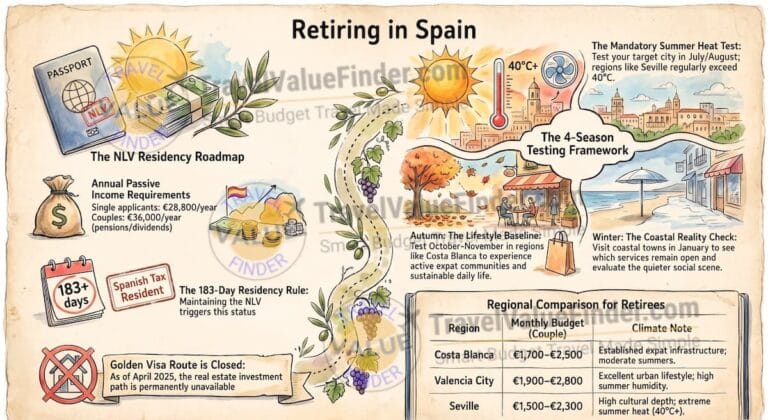
- Retire in Spain (A Warm, Practical Guide for People Over 55)
- Cost of Living in Spain for Retirees (City-by-City)
- Spain Non-Lucrative Visa Explained for US and EU Citizens Over 55
- Healthcare in Spain: A Retiree’s Perspective
- Best Places to Live in Spain After 55
- Renting vs Buying Property in Spain
- Taxes in Spain for Retirees
- Common Mistakes When Moving to Spain
- Spain Retirement Scorecards for Retirees
- Spain Retirement Checklist for Retirees