Travel Value Finder

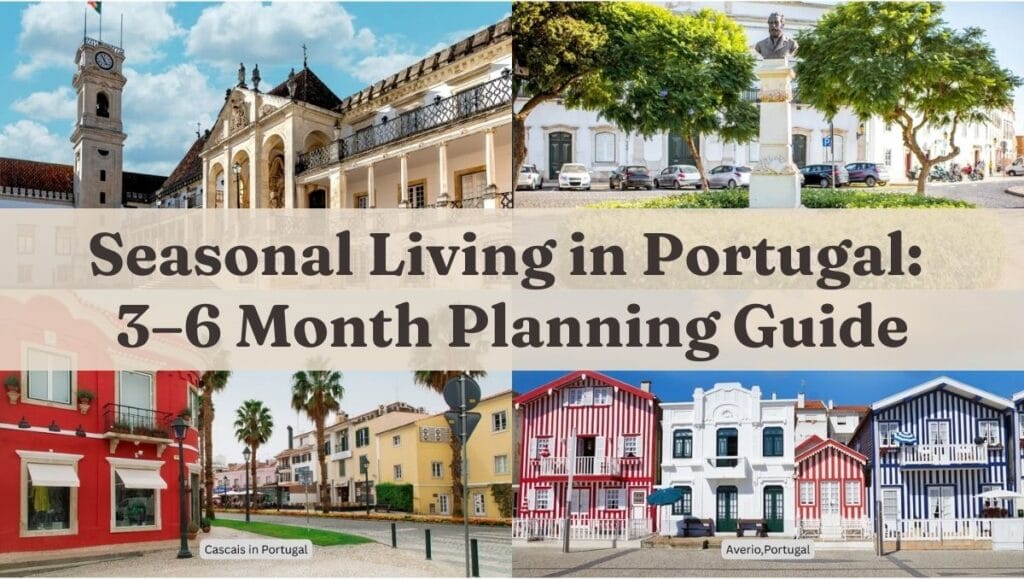
Seasonal living in Portugal allows retirees to enjoy the country’s mild climate and vibrant culture for 3 – 6 months each year without committing to a full-time move. Planning ahead is essential, including securing short-term housing, understanding visa requirements, and arranging healthcare coverage. By considering costs, local amenities, and lifestyle preferences, retirees can make the most of their seasonal stay and experience Portugal comfortably and stress-free.
Leslie Nics, TravelValueFinder.com | Last updated: April 2026 | Based on first-hand research having spent seasonal living in US, UK, Portugal, and Malaysia.
Table of Contents
Planning Seasonal Living in Portugal: Tips for Retirees
When I first considered retiring in Portugal, I wasn’t sure if I wanted to move permanently or try a seasonal living in Portugal. Spending 3 – 6 months at a time in Portugal turned out to be an incredible way to test the waters, enjoy the climate, and experience different regions before committing to long-term residency. I want to share my personal experience so that other retirees over 55 can plan their seasonal stays successfully.
In this guide, I’ll share my first-person experience planning a 3 – 6 month seasonal stay, including budgeting, accommodations, healthcare, activities, and actionable advice for other retirees over 55.
This guide is written for people over 55 who are researching travel, long-term stays, or retirement abroad. I share real-world planning insights, official sources, and practical examples to help you understand what life in Portugal is actually like – not just the highlights.
This content is educational, not legal or financial advice. Rules change, and personal situations differ, so I always recommend confirming details with official or professional sources before making decisions. Refer to the Trust & Transparency page for more information.
Why I Chose Seasonal Living in Portugal
I didn’t want to commit to a full-year move initially. Seasonal living offered me:
- Flexibility to explore Portugal without permanent relocation
- Opportunity to avoid harsh winters at home
- Chance to test towns and lifestyles before deciding on permanent retirement
This approach gave me confidence to make smarter long-term retirement decisions.
Example: I spent November to March on the Silver Coast and enjoyed quiet beaches, moderate climate, and vibrant local communities without the summer tourist crowds.
Planning Your Seasonal Living in Portugal
Planning your seasonal living in Portugal requires careful preparation to ensure a smooth and enjoyable experience. Key considerations include choosing the right region, securing 3 – 6 month rental accommodations, understanding visa rules, and arranging healthcare coverage. Budgeting for daily expenses, transportation, and leisure activities is also essential. By planning ahead, retirees can maximize their time abroad, enjoy Portugal’s culture, climate, and lifestyle, and avoid common pitfalls that can disrupt a seasonal stay.
1. Choosing Your Region
I prioritized areas with:
- Mild winter climate
- Access to healthcare
- Affordable short-term rentals
- Community activities and local amenities
Top choices I considered:
- 1. Silver Coast – affordable, mild climate, coastal lifestyle
- 2. Algarve – warm winters, international expat community
- 3. Lisbon suburbs – amenities, cultural activities, mild winters
Tip: Research weather patterns, transport options, and seasonal activity availability to match your interests.
2: Visa Considerations
When planning seasonal living in Portugal, understanding visa requirements is essential to avoid overstaying or legal complications. Rules differ for EU and US retirees, so careful planning is critical.
For EU citizens:
- Free to stay in Portugal up to 90 days without special permits.
- Longer stays require a residency application through local authorities.
- Must register with the town hall (camara municipal) if staying longer than three months.
For US citizens:
- Eligible for 90-day visa-free travel under the Schengen Agreement.
- Stays beyond 90 days require a D7 visa or temporary residency permit.
- D7 visas are ideal for retirees, allowing long-term stays while enjoying Portugal’s benefits.
I coordinated my own seasonal living in Portugal with these rules, initially testing the lifestyle for 3 – 6 months and then applying for a D7 visa once I decided to extend my stay. Proper planning ensures you can enjoy Portugal without legal stress, giving peace of mind while exploring the country’s culture, climate, and communities.
3. Budgeting for Seasonal Stay
I calculated the costs of living in Portugal for a 3 – 6 month stay:
| Category | Cost per Month (€) | Notes |
| Short-term Rent | 900 | Fully furnished apartment on Silver Coast |
| Utilities | 100 | Electricity, water, gas |
| Internet & Mobile | 50 | Fiber and mobile plan |
| Groceries | 300 | Cooking most meals at home |
| Dining Out | 150 | Occasional local restaurants and cafes |
| Transportation | 80 | Public transport and occasional taxi |
| Healthcare & Insurance | 200 | Private insurance covering 6 months |
| Leisure & Activities | 100 | Gym, classes, local events |
| Miscellaneous | 50 | Unexpected costs |
| Total | 1,930 | Comfortable seasonal lifestyle |
Tip: Include a buffer for unexpected costs, currency exchange, and travel insurance.
4. Accommodation Options
For seasonal stays, I considered:
- Short-term rentals: Furnished apartments or townhouses
- Serviced apartments: Slightly higher cost but includes utilities and services
- Airbnb or vacation rentals: Flexible but can be pricier for extended stays
Example: I rented a furnished apartment in Nazaré for €900/month, which included utilities and internet. It allowed me to settle comfortably without long-term commitment.
5. Healthcare During Seasonal Living in Portugal
Even for short-term stays, planning for healthcare in Portugal is essential:
- Private insurance: I purchased a 6-month plan covering doctor visits, emergencies, and minor procedures
- SNS registration: Optional for stays over 183 days, but not necessary for shorter visits
- Local pharmacies: Essential for prescriptions and minor health needs
Tip: Carry copies of medical records and prescriptions, especially if you take regular medication.
6. Activities and Lifestyle
I made the most of my seasonal stay by planning activities:
- Beach walks and coastal hikes
- Cooking classes and local markets
- Cultural festivals and town events
- Socializing with expat and local communities
Example: Attending Nazaré’s seafood festival in November allowed me to connect with locals and learn about regional cuisine.
7. Transportation and Connectivity
For a 3 – 6 month stay, I used public transport and occasional car rentals:
- Public transport: Buses and trains within towns and neighboring cities
- Car rental: Optional for exploring inland or remote areas
- Flights: Consider seasonal flight costs if traveling back and forth to home country
Tip: Factor transportation costs into your budget, and plan flexible options in case of unexpected travel.
8. Lifestyle Adjustments
Seasonal living allowed me to test my preferred lifestyle:
- Climate preferences: Spending winter in the south and summer in the north.
- Community integration: Attending local clubs, cafes, and social events to meet people.
- Daily routines: Trying different neighborhoods, exploring local markets, and understanding transport options.
For me, this revealed which areas felt most comfortable before committing permanently.

Actionable Tips for Seasonal Living in Portugal
- Plan your stay based on climate and lifestyle preferences.
- Choose fully furnished or serviced rentals to reduce setup hassle.
- Budget for 6 months with a buffer for emergencies and unexpected costs.
- Secure private health insurance covering your stay.
- Engage with local communities to make your seasonal stay enjoyable.
- Test different regions over multiple seasons before committing to permanent relocation.
- Keep travel documents and visas updated to comply with local regulations.
Lessons I Learned
- Plan accommodations early: Popular towns fill up fast during peak seasons.
- Understand visa limitations: Respecting the Schengen 90-day limit is crucial.
- Mix urban and rural stays: Helps find your ideal balance.
- Healthcare preparation: Always maintain insurance, even for short-term stays.
- Budget realistically: Seasonal costs can be higher than permanent residency due to short-term pricing.
Choosing Seasonal Living in Portugal
Seasonal living in Portugal offers retirees flexibility, a chance to test the lifestyle, and an opportunity to enjoy mild winters in a vibrant culture.
From my experience, careful planning, budgeting, choosing the right location, securing healthcare, and engaging with local communities are the keys to a rewarding seasonal experience. By following these steps, retirees over 55 can enjoy Portugal for months at a time while preparing for long-term retirement decisions. Find out about Retiring in Portugal: The 4-Week Trial That Proves You Are Ready
Ready to compare cities now?
- Use our Free Retirement Cost of Living Calculator — get your personalized report in 30 seconds – Free PDF download.
- How to Use a Retirement Cost of Living Calculator – to Compare Cities Worldwide
Frequently Asked Questions: Seasonal Living in Portugal
Q1: How long can I stay in Portugal seasonally?
Up to 90 days without a visa under Schengen rules; longer stays require a D7 visa or residency permit.
Q2: Is healthcare available for short-term stays?
Public healthcare is limited for short stays, but private insurance ensures coverage.
Q3: How do I find seasonal rentals?
Use local real estate websites, Airbnb, expat forums, and serviced apartment providers.
Q4: Is it expensive to live seasonally in Portugal?
Costs are comparable to monthly living, but short-term rentals may be slightly higher; budget carefully.
Q5: Can I explore multiple towns in one season?
Yes, but consider transport costs and short-term rental logistics.
Q6: Do I need a car in Portugal?
Not mandatory in towns with good public transport, but useful for exploring the countryside and less accessible areas.
Q7: What’s the best time for seasonal living in Portugal?
November to March for mild winters, avoiding peak tourist seasons, and enjoying lower rental rates.
Pages That Support This Guide
To help with deeper planning, this page connects to detailed guides such as:
- Retire in Portugal (A Warm, Practical Guide for People Over 55)
- Cost of Living in Portugal for Retirees (City-by-City)
- Portugal D7 Visa Explained for US and EU Citizens Over 55
- Healthcare in Portugal: A Retiree’s Perspective
- Renting vs Buying Property in Portugal
- Taxes in Portugal for Retirees
- Common Mistakes When Moving to Portugal
- Seasonal Living in Portugal: 3 – 6 Month Planning
- Portugal Retirement Scorecards for Retirees
- Portugal Retirement Checklist for Retirees