Travel Value Finder

Many people dream to retire in Portugal for its mild climate, friendly communities, and affordable lifestyle. With accessible healthcare, manageable living costs, and rich cultural experiences, Portugal offers retirees a comfortable and vibrant place to enjoy their golden years. Understanding visas, housing, and day-to-day expenses can help ensure a smooth transition and a fulfilling retirement abroad.
Leslie Nics, TravelValueFinder.com | Last updated: April 2026 | Based on first-hand research having spent seasonal living in US, UK, Portugal, and Malaysia.
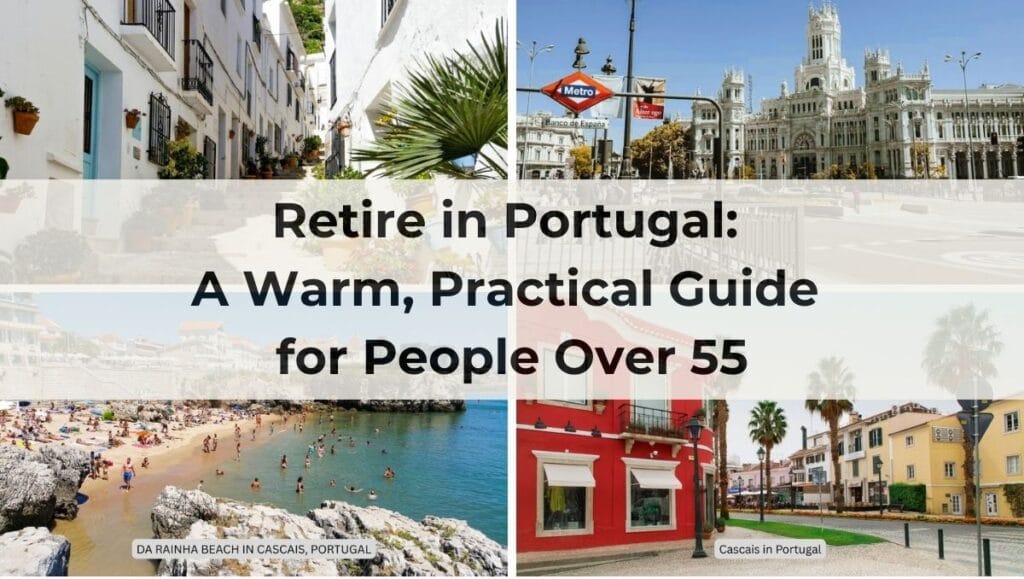
Discover everything you need to know about making the move abroad with our infographic, Retire in Portugal – A Warm, Practical Guide for People Over 55. This easy-to-follow visual guide breaks down the essential factors to consider, from cost of living and healthcare to residency options and lifestyle benefits. Designed specifically for those over 55, it offers practical insights and helpful tips to support a smooth and confident transition into retirement in one of Europe’s most welcoming and scenic destinations.

Table of Contents
Why Retire in Portugal After 55?
If you are thinking about slowing down, spending more time abroad, or planning your retirement years with care, Portugal often comes up early in the conversation. There is a good reason for that.
Can Americans Retire in Portugal?
Yes, Portugal is one of the best countries for Americans to retire abroad.
It offers affordable living, high-quality healthcare, a safe environment, and residency options like the D7 Visa that work well for retirees living on Social Security, pensions, or investment income.
Why retirees choose Portugal:
- Lower cost of living than the U.S.
- Excellent public and private healthcare
- Safe, relaxed lifestyle
- Favorable residency options for retirees
- Strong expat communities and English widely spoken
This guide is written for people over 55 who want clear information, realistic expectations, and fewer surprises. It is not about chasing the cheapest deal or selling a dream. It is about helping you decide whether it truly makes sense to retire in Portugal or spend extended time here as part of a thoughtful life plan.
This guide is written for people over 55 who are researching travel, long-term stays, or retirement abroad. I share real-world planning insights, official sources, and practical examples to help you understand what life in Portugal is actually like – not just the highlights.
This content is educational, not legal or financial advice. Rules change, and personal situations differ, so I always recommend confirming details with official or professional sources before making decisions. Refer to the Trust & Transparency page for more information.
Retire in Portugal at a Glance
Before going deeper, here is a simple overview to help you quickly understand what Portugal offers.
- Best suited for: Retirees, long-stay travelers, seasonal living (3 – 12 months)
- Typical monthly cost (couple): €2,200 – €2,800 outside Lisbon
- Healthcare quality: High, with both public and private options
- Residency difficulty: Moderate, with clear rules but paperwork involved
- Language comfort: English widely spoken in daily life and healthcare
- Climate: Mild winters, warm summers, generally comfortable for older adults
Many people considering whether to retire in Portugal say this summary alone helps them decide whether it is worth reading further.
Why Portugal Appeals to People Over 55
Portugal does not attract retirees because it is flashy or trendy. It attracts them because daily life here feels manageable. For many people over 55, priorities shift. Safety matters more than nightlife. Healthcare matters more than excitement. Predictability becomes more valuable than adventure. Portugal fits this stage of life very well.
People who choose to retire in Portugal often mention:
- A slower, calmer pace of life
- Strong public infrastructure and transportation
- Easy access to healthcare
- A culture that values time, meals, and conversation
- Political and social stability
Portugal is a place where you can settle into routines without feeling rushed. That sense of ease is difficult to quantify, but it is one of the strongest reasons people stay. Find out whether Is Portugal Safe for Retirees?
Cost of Living: What “Affordable” Really Means
Portugal is often described as affordable, but it is important to understand what that means in practical terms. Lisbon and Porto are no longer bargain cities. However, much of the country outside these areas still offers solid value, especially for retirees who are flexible about location.
Typical Monthly Costs for a Couple
- Housing (1-bedroom apartment):
- Lisbon city center: €1,200 – €1,600
- Porto city: €900 – €1,300
- Algarve towns: €800 – €1,200
- Inland regions: €600 – €900
- Utilities and internet: €120 – €180
- Groceries: €300 – €450
- Eating out: €10 – €15 for a local meal
- Public transportation: €40 – €70
- Private health insurance: €100 – €180 per person
When people plan to retire in Portugal, the biggest savings usually come from healthcare and daily living costs rather than housing in major cities. Discover more about the cost of living in Portugal. Find out if you Can You Retire in Portugal on $2,000 a Month?
Healthcare in Portugal: What Retirees Actually Experience
Healthcare is one of the most important factors when choosing where to retire. Portugal performs well in this area, especially for older residents.
Public Healthcare (SNS)
After becoming a legal resident, retirees can access Portugal’s public healthcare system. Appointments and basic care are low-cost, and hospital treatment is generally of high quality. The trade-off is time: non-urgent appointments may involve waiting.
Private Healthcare
Private healthcare is widely used by expats and retirees. Costs are far lower than in the United States, and access is usually fast. Many doctors speak English, especially in larger cities and retirement-friendly regions.
A Realistic Example
A typical scenario might look like this: routine checkups and specialist visits through private clinics, with major procedures handled by public hospitals. This combination gives retirees peace of mind and predictable costs, which is why healthcare often becomes a deciding factor when people choose to retire in Portugal.
Visas and Residency Options for People Over 55
Planning to stay long term means understanding Portugal’s residency rules.
The D7 Passive Income Visa
The D7 visa is the most common route for retirees. It is designed for people with steady income such as pensions, investments, or rental income.
What retirees should know:
- Income must be proven and consistent
- Applications involve multiple documents
- Processing takes time and patience
- Residency can be renewed and extended
Many people describe the process as bureaucratic but fair. The rules are not hidden, and outcomes are usually predictable. Those planning to retire in Portugal often choose professional help to reduce stress and common mistakes when moving to Portugal. Explore more about the D7 visa for retirees, and the taxes in Portugal for retirees.
Safety, Stability, and Peace of Mind
Portugal consistently ranks as one of the safest countries in Europe. Violent crime is rare, political tensions are low, and daily life feels calm. For people over 55, this sense of security is often more important than excitement or novelty.
You are unlikely to encounter aggressive policing or social unrest. Bureaucracy exists, but it is usually procedural rather than confrontational.
Daily Life and Lifestyle Reality
Portugal offers retirees a comfortable and relaxed lifestyle, but understanding what daily life really feels like can help set realistic expectations. Most towns and cities feature walkable streets, local markets, and cafés where socializing is part of everyday life. Grocery shopping, dining out, and entertainment are generally affordable, especially outside the major tourist hubs. Public transportation is reliable in urban areas, while smaller towns may require a car. Many retirees enjoy a slower pace, spending mornings at cafés, afternoons exploring historic sites, or evenings strolling along the coast. While life in Portugal is comfortable, it’s important to be aware of cultural differences, seasonal rhythms, and the availability of services to ensure a smooth transition into everyday life abroad.
Climate Comfort
Winters are mild but can feel damp, especially in older homes without central heating. Summers are warm, sometimes hot, but coastal areas benefit from sea breezes. Air conditioning is becoming more common but is not universal.
A Typical Day
A normal day might include a morning walk to a café, errands done on foot or by public transport, and an unhurried lunch. Shops in smaller towns may close mid-day. Evenings are social but relaxed.
Many people who retire in Portugal say it takes time to adjust, but once they do, the slower rhythm feels natural.
Language and Integration
English is widely spoken, particularly in cities, tourist areas, and healthcare settings. This makes daily life much easier for newcomers.
That said, learning basic Portuguese greatly improves integration and day-to-day comfort. Simple efforts are usually appreciated and often lead to warmer interactions.
Who Portugal May Not Be Right For
Portugal is not a perfect fit for everyone.
It may not suit you if:
- You need fast, fully digital bureaucracy
- You want big-city energy every day
- You expect very low housing costs in prime locations
- You struggle with older infrastructure and slower service
Being honest about these points helps people decide whether to retire in Portugal with realistic expectations. Explore seasonal living in Portugal to test where to stay in Portugal.
Best Areas in Portugal for People Over 55
Choosing the best areas in Portugal for people over 55 depends on lifestyle preferences, climate, and access to healthcare and amenities. Coastal towns like the Algarve offer sunny beaches and vibrant expat communities, while cities such as Lisbon and Porto provide cultural attractions, modern conveniences, and excellent medical facilities. For those seeking a quieter pace, inland regions like the Douro Valley or Alentejo combine scenic landscapes with affordable living. Understanding what each region offers helps retirees make an informed decision for a comfortable and fulfilling life in Portugal.
Algarve
The Algarve is one of the most popular regions in Portugal for retirees, thanks to its consistently warm climate, stunning beaches, and well-developed infrastructure. Healthcare in the Algarve is excellent, with modern hospitals and clinics, many offering English-speaking staff, which makes it a favorite among international retirees. The area also has established expat communities, providing social opportunities, clubs, and support networks that make settling in easier. While rental prices can increase during the peak tourist season, the region offers a high standard of living, beautiful scenery, and a relaxed lifestyle, making it a top choice for retirees seeking comfort, convenience, and a vibrant community.
Silver Coast
The Silver Coast is an increasingly popular choice for retirees seeking a more authentic Portuguese experience. Compared to the Algarve, it offers better value for housing and living costs, making it attractive for those looking to stretch their retirement savings. The region experiences fewer tourists, which creates a quieter, more relaxed atmosphere, while still providing charming coastal towns, fresh seafood, and scenic landscapes. Summers are cooler than in southern Portugal, which appeals to retirees who prefer mild weather. With good healthcare access and growing expat communities, the Silver Coast combines affordability, comfort, and a true local feel, making it an ideal region for those retiring in Portugal.
Porto and Northern Cities
Porto and the northern cities of Portugal are ideal for retirees seeking a culturally rich experience combined with more affordable living compared to Lisbon. These regions are known for their historic architecture, vibrant arts scenes, and renowned cuisine, offering plenty of opportunities for exploration and social engagement. The cost of housing and day-to-day expenses is generally lower than in the south, making it attractive for retirees on a budget. Winters are cooler and wetter, which appeals to those who prefer milder summers and a greener landscape. With reliable healthcare services and growing expat communities, Porto and the northern cities provide a comfortable, authentic, and affordable lifestyle for retirees in Portugal.
Inland Regions
Portugal’s inland regions offer retirees the lowest cost of living, making them an attractive option for those seeking affordability and a slower pace of life. Towns and villages in areas such as the Alentejo and Beiras provide peaceful surroundings, charming landscapes, and a strong connection to traditional Portuguese culture. However, these regions come with fewer services and limited healthcare access, so they are best suited to independent retirees who are comfortable managing daily needs on their own. Choosing the right inland town often matters more than simply retiring in Portugal, as lifestyle, amenities, and community support can greatly influence your retirement experience.
Retire in Portugal with a Balancing Lifestyle
Portugal is not perfect, and it is not the cheapest option in Europe. What it offers instead is balance. For people over 55 who value safety, healthcare, walkability, and a calmer pace of life, it is easy to understand why so many choose to retire in Portugal. With thoughtful planning and realistic expectations, Portugal can be a place not just to live, but to feel settled and at ease.
Explore the Portugal Retirement Checklist and Portugal Retirement Scorecards here. These are valuable tools for turning a complex relocation into a clear, manageable process. The checklist helps you stay on track by outlining essential steps such as legal paperwork, finances, healthcare, and housing, ensuring nothing important is overlooked. Meanwhile, the scorecards allow you to evaluate and compare different regions or lifestyle factors-like cost of living, climate, and accessibility-based on your personal priorities. Together, they provide structure, clarity, and confidence, helping you make well-informed decisions about your retirement in Portugal. Find out about Retiring in Portugal: The 4-Week Trial That Proves You Are Ready
Explore Portugal with the complete Lisbon Travel Guide – Attractions, Food & Budget Tips and Cheapest Places to Live in the World for Retirees: Top 10 Ranked by Cost, Safety & Healthcare
Ready to compare cities now?
- Use our Free Retirement Cost of Living Calculator — get your personalized report in 30 seconds – Free PDF download.
- How to Use a Retirement Cost of Living Calculator – to Compare Cities Worldwide
Frequently Asked Questions – Retire in Portugal Italy
1. What is the best city to retire in Portugal for expats over 55?
The best city to retire in Portugal for expats over 55 depends on your preferences. Lisbon, the capital, offers vibrant cultural activities, excellent healthcare, and a large expat community. However, cities like Porto, Faro, and Cascais are also great options for retirees looking for more affordable living with access to beautiful beaches, mild climates, and easygoing lifestyles. Each city offers unique benefits, so consider factors like cost of living, healthcare, and local amenities when choosing your ideal retirement destination.
2. What is the cost of living for retirees in Portugal?
The cost of living for retirees in Portugal is generally lower than in many other Western European countries. While costs vary by region, overall, Portugal offers affordable housing, dining, and transportation options. In cities like Lisbon or Porto, rent may be higher, but smaller towns and coastal areas tend to offer more budget-friendly options. For retirees, Portugal is considered an excellent value for money, making it an attractive destination for those on a fixed income.
3. Is healthcare affordable in Portugal for retirees?
Yes, healthcare in Portugal is highly regarded and affordable for retirees. The country has a universal public healthcare system (SNS) that offers affordable access to medical services, including doctors, specialists, and hospitals. For retirees, private health insurance is also a popular choice, providing quicker access to medical services. The combination of excellent healthcare quality and relatively low costs makes Portugal one of the top destinations for retirees seeking good healthcare.
4. Do I need a visa to retire in Portugal?
If you are a non-EU citizen, you will need a residence visa to retire in Portugal. The most common option is the D7 visa, which is designed for people with a stable income, such as pensioners or those with passive income. The process involves proving that you can financially support yourself while living in Portugal. EU citizens, however, do not require a visa to retire in Portugal but may need to register for residency after a certain period.
5. What are the tax benefits for retirees in Portugal?
Portugal offers attractive tax incentives for retirees, including a special tax regime for non-habitual residents (NHR). Under this regime, qualifying retirees can benefit from reduced tax rates on foreign income, including pensions. This makes Portugal a highly attractive destination for retirees seeking to keep more of their pension income. It’s important to consult a tax professional to understand the specific tax benefits available based on your personal circumstances.
6. What are the best areas in Portugal for retirees looking for a slower pace of life?
If you’re seeking a quieter, slower pace of life, Portugal has many beautiful regions perfect for retirees. The Alentejo region, known for its peaceful countryside, charming villages, and slower rhythm, is ideal for those who want to escape the hustle and bustle. The Silver Coast offers a mix of coastal towns like Nazaré and Óbidos, known for their tranquil surroundings and picturesque landscapes. These areas provide a serene atmosphere while still offering access to essential services.
7. How is public transportation in Portugal for retirees?
Public transportation in Portugal is efficient, affordable, and accessible for retirees. Major cities like Lisbon and Porto have an extensive metro, bus, and tram network that makes it easy to get around. For those living outside the cities, buses and regional trains provide excellent connections to smaller towns and coastal areas. Many retirees also enjoy walking in the pedestrian-friendly towns, and taxis and rideshare services like Uber are widely available.
8. What is the climate like in Portugal for retirees over 55?
Portugal has a Mediterranean climate, offering warm, dry summers and mild winters. The climate makes it a perfect destination for retirees looking for pleasant weather year-round. Coastal areas, such as the Algarve, experience more sun and milder temperatures, while northern regions like Porto and the Douro Valley can be cooler and have more rainfall. Overall, Portugal’s climate is one of the many reasons retirees flock to the country for an outdoor-oriented lifestyle.
9. Is Portugal a good place for retirees who enjoy outdoor activities?
Yes, Portugal is an excellent place for retirees who enjoy outdoor activities. The country offers a wide variety of outdoor pursuits, from hiking in the mountains of the Azores to surfing on the beaches of the Algarve. You can explore scenic nature reserves, enjoy wine tasting in the Douro Valley, or take part in water sports along the coast. Portugal’s mild climate also allows for year-round outdoor activities, making it an ideal destination for those who love staying active.
10. How do I find an affordable place to live in Portugal after 55?
To find an affordable place to live in Portugal after 55, consider smaller towns or rural areas where the cost of living is lower. Popular cities like Lisbon and Porto tend to be more expensive, particularly in terms of rent and dining. However, areas like Albufeira, Cascais, and Funchal offer excellent quality of life at a more affordable price. You can use local real estate websites and consult with property agents to find rental properties or homes that fit your budget.
Pages That Support This Guide
To help with deeper planning, this page connects to detailed guides such as:
- Retire in Portugal (A Warm, Practical Guide for People Over 55)
- Cost of Living in Portugal for Retirees (City-by-City)
- Portugal D7 Visa Explained for US and EU Citizens Over 55
- Healthcare in Portugal: A Retiree’s Perspective
- Renting vs Buying Property in Portugal
- Taxes in Portugal for Retirees
- Common Mistakes When Moving to Portugal
- Seasonal Living in Portugal: 3 – 6 Month Planning
- Portugal Retirement Scorecards for Retirees
- Portugal Retirement Checklist for Retirees