Travel Value Finder

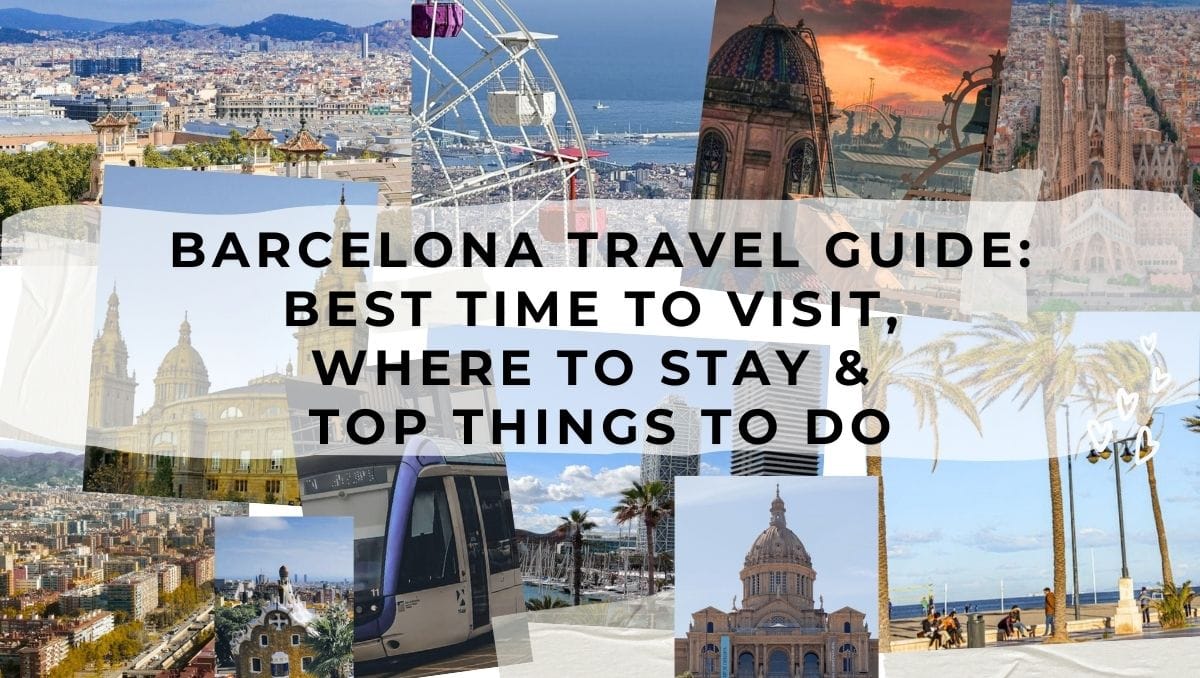
Barcelona Travel Guide: Best Time to Visit, Where to Stay & Top Attractions
In this Barcelona Travel Guide, discover the city’s highlights—from Gaudí’s iconic architecture and the historic Gothic Quarter to lively markets and sun-soaked beaches, there’s something for every traveler.”
Is Barcelona worth visiting?
Yes. Barcelona is one of Spain’s best cities to visit thanks to its mix of architecture, beaches, food, nightlife, and walkable neighborhoods—all in one destination. Explore this Barcelona travel guide for more detailed recommendations.
In Barcelona, architecture doesn’t just decorate the city — it defines it.
Table of Contents
About Barcelona
Barcelona is a coastal city in northeastern Spain known for Gaudí architecture, Mediterranean beaches, vibrant neighborhoods, rich Catalan culture, and one of Europe’s most dynamic food scenes. Barcelona is one of those cities that immediately feels alive. There’s energy in the streets, creativity in the architecture, and a relaxed coastal rhythm that makes it easy to settle in—even on your first day.
It’s the capital of Catalonia, a region with its own language, traditions, and strong local identity. That cultural difference is part of what makes Barcelona feel distinct from the rest of Spain.
A City Where History, Design & Beach Life Meet
What makes Barcelona truly special is how seamlessly it blends old and new. You can walk through medieval alleyways in the Gothic Quarter, admire surreal modernist buildings designed by Antoni Gaudí, and end the day watching the sunset by the sea—all without leaving the city.
What Barcelona is known for:
- Gaudí landmarks like Sagrada Familia and Park Güell
- Walkable historic neighborhoods
- Mediterranean beaches inside the city
- A strong food and café culture
- Late nights and social street life
Few European cities manage to combine culture, architecture, nightlife, and beaches as effortlessly as Barcelona.
Gaudí, Architecture & Creative Energy
Barcelona is world-famous for its modernist architecture, particularly the works of Antoni Gaudí, which define the city’s unique visual identity. Buildings in Barcelona aren’t just functional—they’re expressive. Curved lines, bold colors, and organic shapes appear throughout the city, especially in neighborhoods like Eixample and Gràcia.
Even if you’re not usually interested in architecture, Barcelona has a way of pulling you in. The city feels designed to be explored slowly and visually.
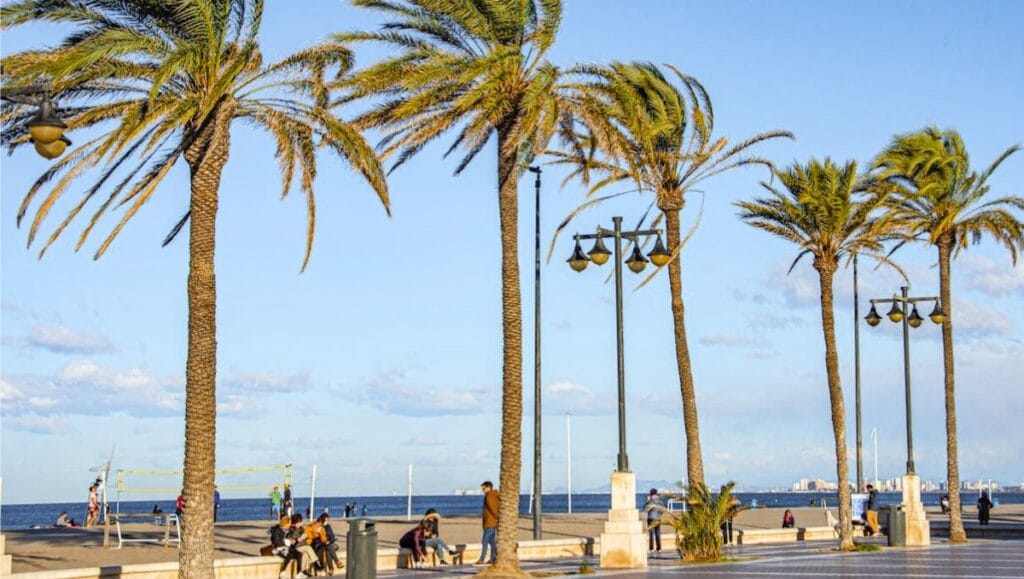
A Major European City With Beaches
Barcelona is one of the few major cities in Europe where you can go sightseeing and hit the beach in the same day. Barcelona’s urban beaches make it unique among European cities, offering easy access to the sea just minutes from the historic center.
The beaches are lively, social, and very much part of local life—especially in summer. While they’re not the quietest beaches in Spain, they’re incredibly convenient and add to Barcelona’s laid-back appeal.
Lifestyle, Food & Daily Rhythm
Barcelona runs on a relaxed Mediterranean schedule. Mornings are slow, afternoons stretch out, and evenings come alive. Food plays a central role in daily life. Long lunches, late dinners, and casual tapas outings are the norm rather than the exception.
What daily life in Barcelona feels like:
- Coffee in neighborhood cafés
- Long walks and outdoor seating
- Late dinners and lively evenings
- Markets, bakeries, and tapas bars everywhere
For travelers, this lifestyle is easy to fall into—and hard to leave behind.
Why Barcelona Is One of Spain’s Most Visited Cities
Barcelona works for a wide range of travelers, which is why it consistently ranks as one of Spain’s top destinations.
Barcelona is ideal for:
- First-time visitors to Spain
- Couples and city-break travelers
- Food lovers
- Beach + culture travelers
- Solo travelers
It’s slightly more expensive than some Spanish cities, but the convenience, variety, and atmosphere often justify the cost.
What to Expect From Barcelona as a Traveler
Barcelona is lively, creative, social, and occasionally chaotic—in a good way. It’s a city where wandering is part of the experience, meals stretch longer than planned, and there’s always something happening nearby. If you’re looking for a destination that combines culture, food, beaches, and energy, Barcelona delivers—and usually exceeds expectations.
In Barcelona, everyday neighborhoods feel as alive as famous sights.
Best Time to Visit Barcelona
The best time to visit Barcelona is during spring (April–May) and fall (September–October), when the weather is warm but comfortable, crowds are smaller, and prices are lower than the peak summer season.
Barcelona is a year-round destination, but the experience can vary dramatically depending on the season, especially if you’re combining sightseeing, beaches, and festivals.
Spring (March–May): Ideal Weather & Fewer Crowds
Spring is arguably the best time to explore Barcelona. Temperatures are mild (around 15–22°C / 59–72°F), outdoor attractions are enjoyable, and the city isn’t as crowded as summer.
Why spring is great:
- Pleasant temperatures for walking and sightseeing
- Blooming parks and gardens
- Fewer tourists at top attractions
- Lower hotel rates than summer
Spring is perfect if you want to combine city exploration with beach walks, or attend local festivals like the Easter celebrations (Semana Santa) without the summer crush.
Summer (June–August): Beaches, Festivals & Busy Streets
Summer is Barcelona’s peak tourist season, with long sunny days, beach access, and a lively festival scene—but it’s also hotter and busier.
What to expect in summer:
- Average highs: 28–31°C (82–88°F)
- Busy beaches and tourist hotspots
- Higher hotel and flight prices
- Vibrant nightlife and outdoor events
Summer is ideal if your main goal is beach time, late-night dining, and festivals, but be prepared for crowds, especially along La Rambla and Barceloneta Beach.
Tip: Early mornings and late evenings are the best times to explore popular attractions to avoid peak crowds and heat.
Fall (September–October): Warm Weather & Calm City
Fall in Barcelona is another excellent period to visit. The sea remains warm, daytime temperatures are still comfortable (around 20–26°C / 68–79°F), and tourist numbers drop.
Why fall is ideal:
- Warm enough for beach walks and swimming
- Fewer crowds at Sagrada Familia, Park Güell, and Gothic Quarter
- Better hotel and flight deals than summer
- Seasonal food specialties, like fresh seafood and wine harvest festivals
Fall combines the energy of summer with the comfort of spring, making it one of the most balanced times to travel.
Winter (November–February): Quiet, Cool & Affordable
Winter in Barcelona is mild compared to northern Europe, with temperatures averaging 10–15°C (50–59°F). Tourist crowds thin out, making it ideal for budget travelers or those seeking a quieter city experience.
Winter highlights:
- Cheapest flights and accommodation
- Fewer crowds at major attractions
- Local festivals like Christmas markets and Three Kings Day
- Comfortable walking weather (layers recommended)
Beach days are less common, but the city feels cozy and local life is more visible without the tourist rush.
Seasonal Summary & Travel Style Recommendations
Best time to visit Barcelona by travel style:
- Sightseeing & cultural trips: April–May, September–October
- Beach vacation: June–August
- Budget travel: November–February
- Festivals & events: March–April, July–August
- Long stays / slower travel: September–March
Tips for Timing Your Visit
Barcelona travel tips by season:
- Spring/Fall: Plan for comfortable sightseeing and fewer crowds
- Summer: Book hotels and attractions in advance
- Winter: Enjoy a quieter, more local experience
- Check local calendars for festivals to enhance your visit
- Weekdays are generally less crowded than weekends
Barcelona is a city that works year-round, but knowing the seasonal pros and cons helps you match your trip to your priorities.

Getting Around Barcelona
Getting around Barcelona is easy thanks to its efficient metro system, buses, trams, and walkable neighborhoods. Barcelona is one of Europe’s most walkable cities, and you rarely need a taxi. You do not need a car in Barcelona—driving and parking are more hassle than help.
Transportation options:
- Metro: Fast, affordable, and covers most attractions
- Buses: Great for scenic routes
- Walking: Ideal for central areas
- Taxis & ride apps: Widely available
Typical costs:
- Metro ticket: €2.40
- Day or multi-day transport passes available
Where to Stay in Barcelona
Where to stay in Barcelona depend on your travel style: Eixample for first-time visitors, El Born for charm and nightlife, Gràcia for a local feel, and Barceloneta for beach access. Each neighborhood offers a mix of hotels, hostels, and apartments suitable for budget, mid-range, and luxury travelers.
Barcelona is a city best explored on foot or by public transport, so your choice of neighborhood can shape your entire experience. Whether you prioritize nightlife, beaches, culture, or boutique charm, there’s a perfect base for every traveler.
Best Neighborhoods in Barcelona
1. Eixample – Central, First-Time Visitor Friendly
Eixample is the heart of Barcelona, known for its wide streets, grid layout, and modernist architecture including Gaudí landmarks. It’s ideal for first-time visitors because of its central location and easy access to major attractions.
Why stay here:
- Walkable to Passeig de Gràcia and Sagrada Familia
- Well-connected by metro
- Mix of boutiques, restaurants, and cafés
Recommended Hotels:
- Budget: Hostal Sans
- Midrange: Hotel Barcelona Center
- Luxury: Majestic Hotel & Spa Barcelona
Best Budget Hotel
- Hotel Barcelona Center
Why it is the top pick:
- Excellent Reviews: 8.6
- Location Review: 9.3
Prices & availability subject to change via partner sites
2. El Born – Historic Charm & Nightlife
El Born is a historic district with narrow streets, artisan shops, tapas bars, and a vibrant nightlife. It’s perfect for travelers seeking a mix of culture and evening entertainment.
Why stay here:
- Near Picasso Museum and Santa Maria del Mar
- Lively bars and restaurants
- Central but slightly quieter than La Rambla
Recommended Hotels:
- Budget: Chic & Basic Hostel
- Midrange: Hotel Banys Orientals
- Luxury: K+K Hotel Picasso
3. Gràcia – Local Vibes & Boutique Charm
Gràcia feels like a small town within the city. It’s filled with plazas, independent cafés, and local markets, offering a more authentic, laid-back Barcelona experience.
Why stay here:
- Less touristy, more neighborhood charm
- Great for food lovers and boutique shopping
- Walkable squares and plazas
Recommended Hotels:
- Budget: Casa Gràcia Hostel
- Midrange: Hotel Gràcia
- Luxury: Hotel Brummell
4. Barceloneta – Beach Access & Seaside Stays
Barceloneta is the classic seaside neighborhood of Barcelona, known for its sandy beaches, seafood restaurants, and maritime atmosphere. Ideal for travelers prioritizing beach time.
Why stay here:
- Steps from the Mediterranean Sea
- Great seafood and beach bars
- Close to Port Vell and walking paths
Recommended Hotels:
- Budget: Hostal Mar Blau
- Midrange: Hotel 54 Barceloneta
- Luxury: W Barcelona
Barcelona Neighborhood Comparison Table
| Neighborhood | Best For | Atmosphere | Transport | Budget Hotels | Midrange Hotels | Luxury Hotels |
| Eixample | First-time visitors, landmarks | Central, grid-layout, modernist | Metro & walkable | Hostal Sans | Hotel Barcelona Center | Majestic Hotel & Spa |
| El Born | Culture, nightlife | Historic, lively | Metro & walkable | Chic & Basic Hostel | Hotel Banys Orientals | K+K Hotel Picasso |
| Gràcia | Local vibes, boutique | Relaxed, small-town feel | Metro & walking | Casa Gràcia Hostel | Hotel Gràcia | Hotel Brummell |
| Barceloneta | Beaches, seaside | Casual, vibrant | Metro, walking | Hostal Mar Blau | Hotel 54 Barceloneta | W Barcelona |
Tips for Choosing Your Neighborhood
- Eixample: Best if you want central sightseeing and convenience
- El Born: Best for nightlife and cultural immersion
- Gràcia: Best for a local experience and boutique charm
- Barceloneta: Best for beach lovers and summer trips
Why Neighborhood Choice Matters
Barcelona is walkable, but neighborhood choice affects your trip vibe. Staying centrally like Eixample or El Born saves transport time; staying in Gràcia or Barceloneta offers charm or beach access but may require more walking or metro use. For longer stays, mixing neighborhoods (e.g., 3 nights in Eixample + 2 nights in Barceloneta) gives a full Barcelona experience.
What to Eat in Barcelona: Foodie Guide
Barcelona is a culinary delight, known for Catalan cuisine, fresh seafood, tapas, and vibrant markets. Must-try dishes include pa amb tomàquet, seafood paella, jamón ibérico, crema catalana, and local tapas.
Eating in Barcelona is as much about experience and atmosphere as it is about flavor. Meals are social, relaxed, and often enjoyed outdoors with friends or family.
Catalan Staples & Traditional Dishes
Catalan cuisine is the heart of Barcelona’s food scene, blending fresh Mediterranean ingredients, seafood, and bold flavors. Traditional dishes are usually simple but packed with taste.
Must-try Catalan dishes:
- Pa amb tomàquet: Bread rubbed with tomato and olive oil, often served with cured meats or cheese
- Escalivada: Roasted vegetables, usually eggplant and peppers
- Botifarra: Catalan sausage served with beans
- Suquet de Peix: Catalan seafood stew
Eating these dishes at local cafés or traditional restaurants gives you a true taste of Barcelona.
Seafood & Paella
Seafood is central to Barcelona’s culinary identity, especially in coastal neighborhoods like Barceloneta.
Seafood highlights:
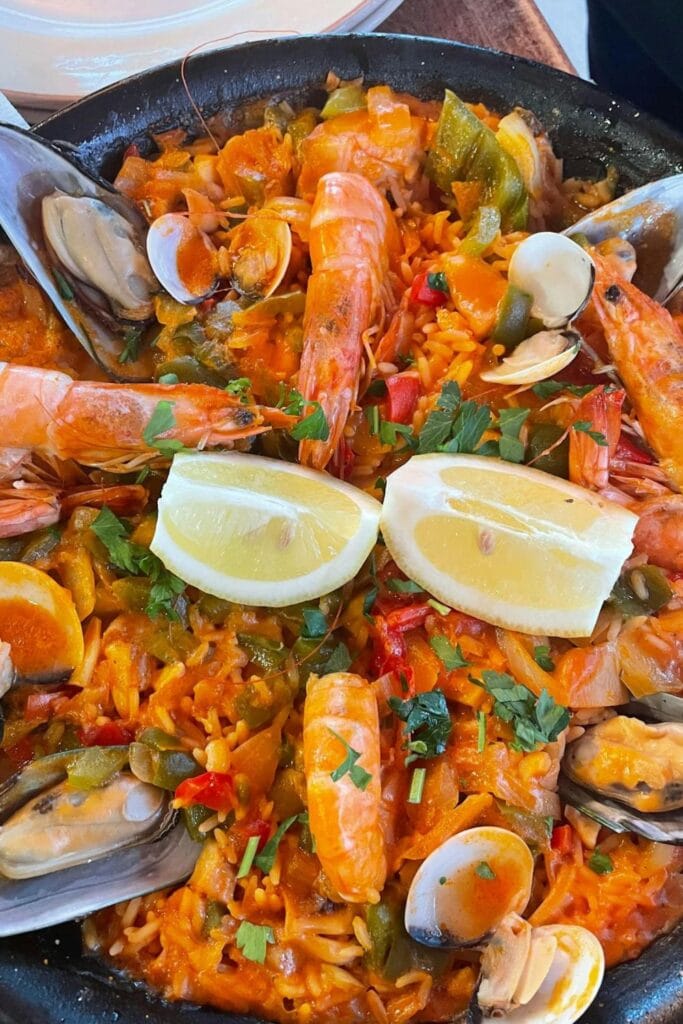
- Paella de Marisco: Classic seafood paella
- Fideuà: Noodle-based paella often served with fish or shellfish
- Grilled sardines or octopus
Pro tip: Eat seafood near the port for freshness, but avoid overly touristy restaurants—they tend to be expensive and average quality.
Tapas Culture: How Locals Eat
Tapas in Barcelona aren’t just snacks—they’re a social way of dining, usually shared with friends over drinks.
Popular tapas in Barcelona:
- Patatas bravas (spicy fried potatoes)
- Croquetas (ham or seafood)
- Jamón Ibérico (cured ham)
- Boquerones (marinated anchovies)
Dining tip: Hop between small bars, ordering a few tapas at each. Locals do this every evening, and it’s a fun way to explore neighborhoods.
Coffee, Breakfast & Snacks
Barcelona has a vibrant café culture. Coffee is usually taken strong and small (espresso style), often paired with pastries.
Typical breakfast or snack items:
- Café con leche (coffee with milk)
- Churros with chocolate
- Ensaimada or local pastries
- Toasts with jam or cheese
Breakfast is lighter than in some countries, but cafés often serve sandwiches or toast if you’re hungry.
Drinks & Nightlife Bites
Barcelona offers a relaxed drinking culture, with wine, vermouth, and local beers usually enjoyed with food.
Local drinks to try:
- Vermut (vermouth)
- Cava (Catalan sparkling wine)
- Tinto de verano (red wine with lemon soda)
- Sangria (tourist-oriented, but still fun)
Nightlife tip: Pair a drink with small bites or tapas—the city’s evening culture revolves around social eating and drinking.
Markets & Food Halls
Barcelona’s markets are an essential part of its culinary experience, perfect for tasting local flavors, grabbing a snack, or buying ingredients.
Top markets to explore:
- Mercat de Sant Josep de la Boqueria: Iconic market with fresh produce, seafood, and tapas bars
- Mercat de Sant Antoni: Known for fresh food and a quieter vibe
- Mercat de la Concepció: Great for local products and flowers
Markets are also a perfect spot to experience Barcelona life like a local.
Foodie Tips for Barcelona Travelers
- Eat late: Lunch 2–4 PM, dinner 9–11 PM
- Avoid restaurants with large tourist menus on La Rambla
- Try local tapas bars instead of just full meals
- Explore markets for fresh, inexpensive bites
- Ask locals for hidden gem restaurants in neighborhoods like Gràcia or El Born
Why Barcelona Is a Food Lover’s Paradise
Barcelona combines tradition, innovation, and social eating. Whether you’re a fan of tapas hopping, fresh seafood, or local pastries, the city has something for every palate. Exploring the food scene also doubles as a cultural experience, helping you connect with Catalan lifestyle and neighborhoods.
Related Post: Barcelona Food Guide & Cheap Eats
Top Attractions in Barcelona
Barcelona is home to world-famous attractions like Sagrada Familia, Park Güell, Gothic Quarter, La Rambla, and Barceloneta Beach. Each site offers a mix of culture, architecture, history, and local life, making it easy to explore over several days.
Whether you’re into architecture, history, beaches, or food, Barcelona’s attractions cater to every interest—and many have online tickets or guided tours for convenience. In this Barcelona travel guide, here are top attractions to visit in Barcelona:
1. Sagrada Familia – Gaudí’s Unfinished Masterpiece
Summary:
The Sagrada Familia is Barcelona’s most iconic landmark, an awe-inspiring basilica designed by Antoni Gaudí that has been under construction since 1882. Its intricate facades and soaring interiors are a must-see.
Insider Tips:
- Book tickets online in advance to avoid long lines
- Visit early morning or late afternoon for softer light and fewer crowds
- Don’t miss the Nativity and Passion facades
Ticket Info:
- Standard entry: €26–€36
- Guided tours & skip-the-line options available online
2. Park Güell – Colorful Gaudí Gardens
Summary:
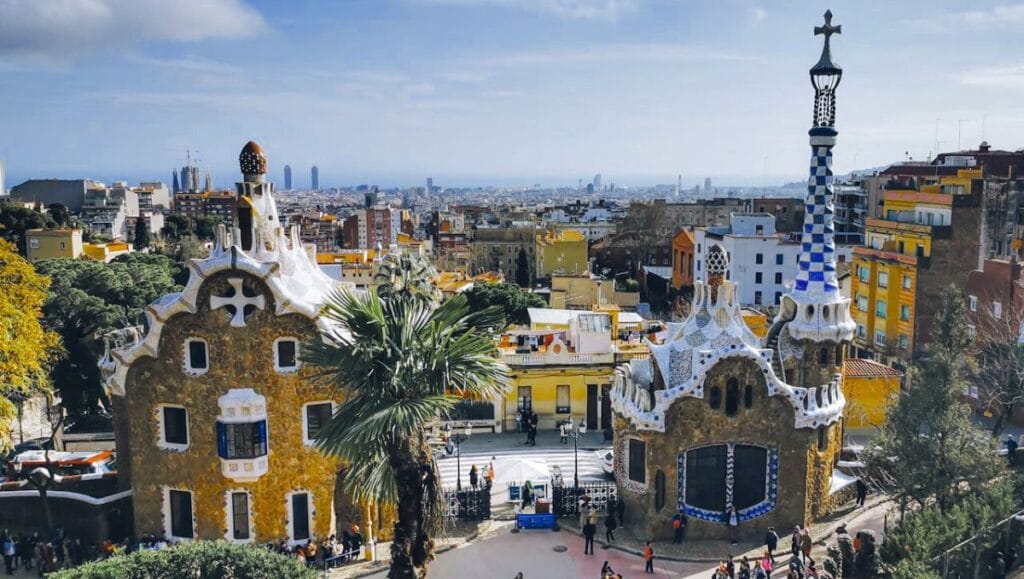
Park Güell is a whimsical public park full of colorful mosaics, architectural elements, and panoramic city views. It’s one of Gaudí’s most playful creations.
Insider Tips:
- Arrive early to avoid crowds, especially in summer
- Wear comfortable shoes—it’s hilly in places
- Explore the free areas in addition to the Monumental Zone
Ticket Info:
- Monumental Zone ticket: €10
- Guided walking tours and photography tours available online
3. Gothic Quarter – Medieval Streets & Hidden Squares
Summary:
The Gothic Quarter (Barri Gòtic) is Barcelona’s historic heart, with narrow winding streets, hidden plazas, and centuries-old architecture. Perfect for walking tours and photography.
Insider Tips:
- Explore small alleyways to discover artisan shops and cafés
- Visit Plaça Sant Jaume and Barcelona Cathedral
- Best explored on foot; early morning is quieter
Ticket Info:
- Cathedral entry: €9–€12
- Walking tours of Gothic Quarter with local guides are available online
4. La Rambla – Bustling Pedestrian Street
Summary:
La Rambla is Barcelona’s most famous street, stretching from Plaça de Catalunya to the waterfront. It’s lined with street performers, kiosks, cafés, and markets like La Boqueria.
Insider Tips:
- Watch out for pickpockets; keep belongings secure
- Visit early in the day for quieter experiences at La Boqueria
- Explore side streets for less crowded cafés and shops
Ticket Info:
- Free to walk
- Food & walking tours along La Rambla available online
5. Barceloneta Beach – City Beach Access
Summary:
Barceloneta Beach is a lively urban beach with golden sand, restaurants, and a relaxed seaside atmosphere. It’s perfect for sunbathing, swimming, or casual walks along the promenade.
Insider Tips:
- Bring sunscreen; it gets crowded in summer
- Enjoy seafood at nearby beachside restaurants
- Early morning or late afternoon are quieter
Ticket Info:
- Free public access
- Beach tour packages and water activity rentals available online

6. Montjuïc Hill – Culture, Views & History
Summary:
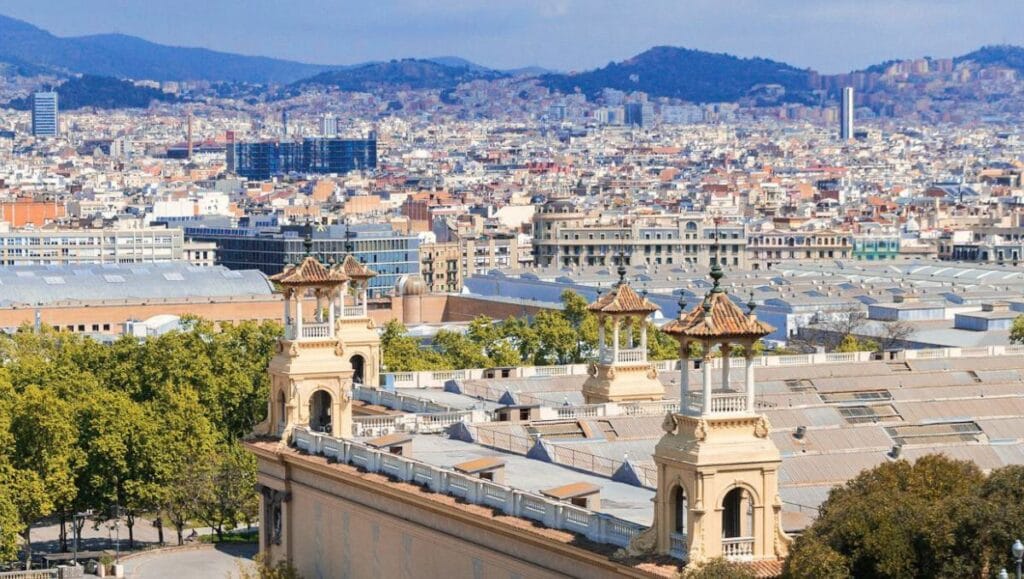
Montjuïc is a hill overlooking Barcelona, home to museums, gardens, castles, and Olympic sites. It offers stunning panoramic views of the city and harbor.
Insider Tips:
- Take the cable car for scenic access
- Visit MNAC (National Art Museum of Catalonia) and Montjuïc Castle
- Great for sunset photography
Ticket Info:
- MNAC entry: €12
- Montjuïc cable car & guided tours online
7. Camp Nou – Home of FC Barcelona
Summary:
Football fans will love Camp Nou, the legendary stadium of FC Barcelona. Tours cover the museum, locker rooms, and stadium seating.
Insider Tips:
- Book tickets online in advance for match days
- Audio guides provide a great self-guided experience
- Combine with nearby museums or local neighborhoods
Ticket Info:
- Tour ticket: €28–€35
- Match day tickets and VIP tours available online
8. Picasso Museum – Art & History
Summary:
The Picasso Museum showcases early works by Pablo Picasso and highlights his relationship with Barcelona. It’s a must for art enthusiasts.
Insider Tips:
- Entry is free on Thursday afternoons and the first Sunday of the month
- Book timed-entry tickets online to avoid long lines
- Focus on the chronological galleries to see Picasso’s evolution
Ticket Info:
- Standard entry: €12–€15
- Guided tours available online
9. Magic Fountain of Montjuïc – Evening Show
Summary:
The Magic Fountain offers nightly light and music shows, creating a magical experience after sunset. Perfect for families and evening outings.
Insider Tips:
- Check the official schedule online; shows are seasonal
- Arrive early for a good viewing spot
- Combine with a visit to Montjuïc gardens
Ticket Info:
- Free public show
- Evening guided tours with local guides available online
10. Palau de la Música Catalana – Modernist Concert Hall
Summary:
This UNESCO-listed concert hall is a jewel of Catalan modernism, with stunning stained glass, mosaics, and architecture.
Insider Tips:
- Guided tours recommended to appreciate architectural details
- Attend a live concert if possible—it’s an unforgettable experience
Ticket Info:
- Tour ticket: €20–€25
- Concert tickets bookable online
Tips for Visiting Barcelona Attractions
- Book tickets online in advance to skip lines
- Combine nearby attractions in one day to save time
- Visit early morning or late afternoon to avoid crowds
- Wear comfortable walking shoes; Barcelona is very walkable
- Take guided tours for deeper context and insider stories
Is Barcelona Right for You?
Barcelona is ideal if you want:
- A first-time Spain experience
- Culture + beach in one trip
- Walkable neighborhoods
- Great food at reasonable prices
In our research analysis of Barcelona travel guide, Barcelona is slightly more expensive than some Spanish cities, but the convenience, atmosphere, and variety more than make up for it.
Why Barcelona Should Be on Your Travel List
Barcelona is a vibrant city where culture, architecture, beaches, and food come together effortlessly. From Gaudí’s iconic landmarks to bustling markets, cozy cafés, and urban beaches, the city offers something for every type of traveler.
Whether you’re a first-time visitor, a foodie, a beach lover, or a culture enthusiast, Barcelona combines all the elements of a perfect trip in one walkable, lively city. Plan your itinerary around the best time to visit, pick a neighborhood that suits your style, and explore the attractions and local cuisine that make Barcelona unforgettable.
Key Takeaways:
- Visit in spring or fall for the best weather and fewer crowds
- Stay in neighborhoods that match your vibe: Eixample, El Born, Gràcia, or Barceloneta
- Experience Catalan cuisine, tapas, and fresh seafood
- Don’t miss must-see attractions like Sagrada Familia, Park Güell, and the Gothic Quarter
- Barcelona is walkable, safe, and suitable for all budgets
Barcelona isn’t just a destination—it’s an experience that blends city life, culture, and Mediterranean charm. Whether you’re exploring for a weekend or a full week, it’s a city you’ll want to return to again and again.
FAQs: Barcelona Travel Guide
1. Is Barcelona safe for tourists?
Yes, Barcelona is generally safe for tourists, but petty crime such as pickpocketing is common in crowded areas like La Rambla and public transport. Staying aware, keeping belongings secure, and avoiding isolated streets at night will help you stay safe.
2. What is the best time to visit Barcelona?
The best time to visit Barcelona is spring (April–May) and fall (September–October), when the weather is pleasant, crowds are smaller, and prices are lower than in peak summer. Summer is best for beach-goers, while winter is ideal for budget travelers.
3. How many days should I spend in Barcelona?
Most travelers spend 3–5 days in Barcelona to see top attractions, enjoy the beaches, and explore neighborhoods. Longer stays allow for day trips to Montserrat, Sitges, or Costa Brava.
4. Do people in Barcelona speak English?
English is widely spoken in tourist areas, hotels, and restaurants, but less so in small local shops or residential neighborhoods. Learning a few basic Spanish or Catalan phrases goes a long way.
5. Is Barcelona expensive to visit?
Barcelona can be both affordable and luxurious. Budget travelers can expect €60–€90 per day, mid-range around €120–€180, while luxury stays can exceed €250 per day. Dining, attractions, and public transport are reasonably priced compared to other Western European cities.
6. Do I need a car to get around Barcelona?
No, you do not need a car to explore Barcelona. The city is walkable and well-connected by metro, buses, and trams. Cars are only recommended for trips outside the city, such as to Costa Brava or Montserrat.
7. What should I eat in Barcelona?
Barcelona is a food lover’s paradise. Must-try dishes include:
Tapas (Patatas Bravas, Croquetas)
Pa amb tomàquet (bread with tomato)
Seafood paella or Fideuà
Jamón Ibérico
Crema Catalana (Catalan custard dessert)
8. Are there beaches in Barcelona?
Yes, Barcelona has several urban beaches, including Barceloneta, Bogatell, and Nova Icaria. Beaches are lively in summer, free to access, and perfect for sunbathing, swimming, or enjoying beachside restaurants.
9. Can I visit Barcelona on a budget?
Absolutely. Budget travelers can save money by using public transport, eating at tapas bars or markets, and booking hostels or budget hotels. Many attractions, like the Gothic Quarter or beaches, are free, making Barcelona very accessible on a budget.
10. What are the must-see attractions in Barcelona?
Top attractions include:
Sagrada Familia
Park Güell
Gothic Quarter
La Rambla & Boqueria Market
Barceloneta Beach
Montjuïc Hill
Picasso Museum
Explore Further – This Barcelona Travel Guide is connected to:
- Spain Travel Guide – Everything You Need to Know Before You Go
- Barcelona Travel Guide – Beaches, Gaudí, and tapas
- Where to Stay in Barcelona (Best Areas & Neighborhood Guide 2026)
- Cheap Hotels in Barcelona Under €150 (Best Budget Hotels 2026)