Travel Value Finder

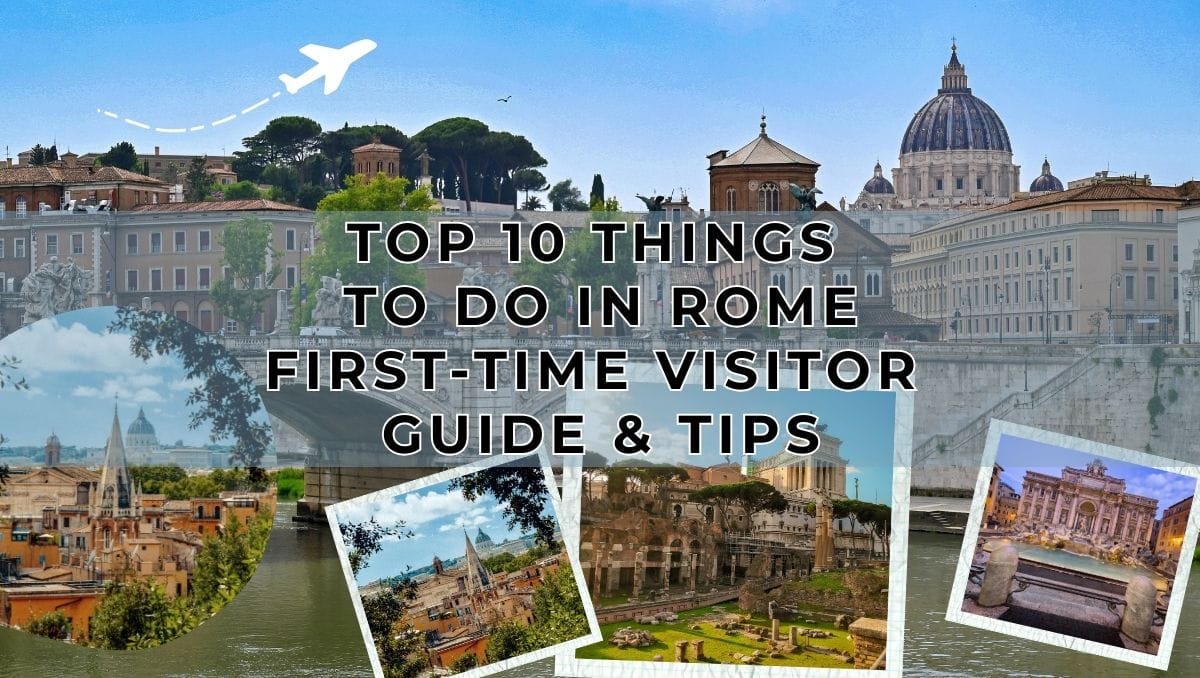
Top 10 Things to Do in Rome: A First-Time Visitor’s Guide
What are the top things to do in Rome?
The top things to do in Rome include visiting the Colosseum, exploring Vatican City, seeing the Trevi Fountain, walking through historic piazzas, discovering Trastevere, and experiencing Roman food culture.
How many days do you need to see Rome’s highlights?
Most first-time visitors need 3–4 days to comfortably experience Rome’s main attractions.
Rome is a city that rewards curiosity. With nearly 3,000 years of history layered into its streets, churches, ruins, and piazzas, deciding how to spend your time can feel overwhelming—especially on your first visit. This guide to the top 10 things to do in Rome is written specifically for first-time travelers who want to experience the city’s highlights without exhaustion or confusion.
Table of Contents
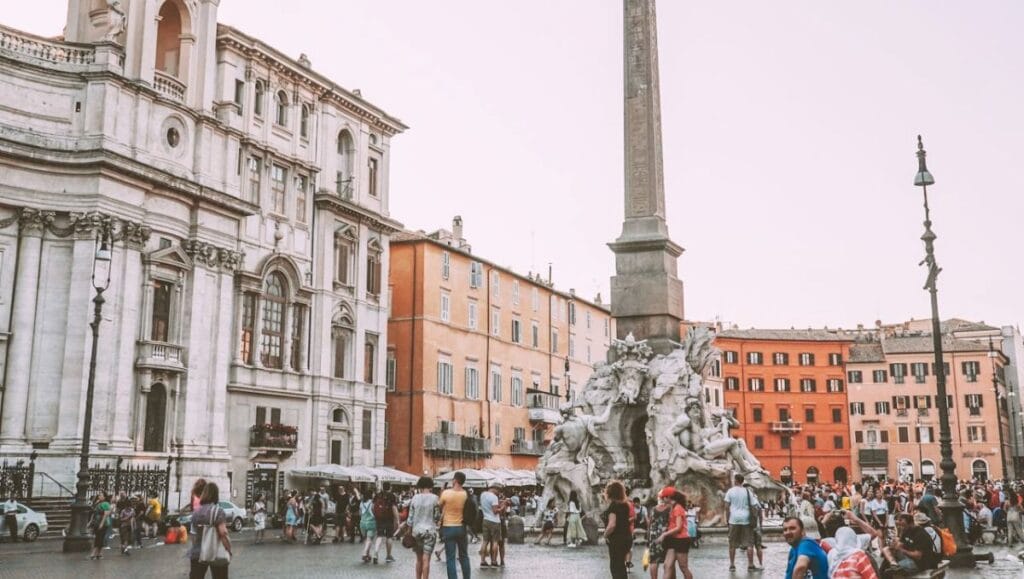
From ancient landmarks to stunning art and charming neighborhoods, Rome is packed with unforgettable experiences. Check out these top 10 things to do in Rome to capture the heart of the Eternal City.
These top 10 things to do in Rome experiences are essential because they capture the very soul of Rome — from its ancient history and iconic landmarks to its world-class art, stunning architecture, and lively neighborhoods. Each destination offers a unique window into the city’s culture, whether it’s standing inside the Colosseum, marveling at Michelangelo’s masterpiece in the Sistine Chapel, or wandering the charming streets of Trastevere. Together, they give visitors a complete, unforgettable taste of Rome that combines history, beauty, and everyday Italian life.
1. Visit the Colosseum, Roman Forum & Palatine Hill
The Colosseum and surrounding ruins form the heart of Ancient Rome and are often the first images people associate with the city.
Why this experience matters:
This archaeological complex was once the political, social, and entertainment center of the Roman Empire. Walking through these ruins provides essential context for understanding Rome’s influence on Western history.
What to expect:
- The Colosseum, where gladiatorial games once took place
- The Roman Forum, filled with temples and government buildings
- Palatine Hill, offering panoramic views over the ruins
Time needed: 3–4 hours
Nearest Metro Station to the Colosseum, Roman Forum & Palatine Hill
The closest metro station is Colosseo, located on Metro Line B (Blue Line).
When you exit the station, you’ll be right next to the Colosseum. From there:
- The Roman Forum is about a 5-minute walk
- Palatine Hill is just a few minutes further and can be visited from the same area
First-time visitor tips:
- Book skip-the-line or guided tickets in advance
- Visit early morning or late afternoon to avoid crowds
- Wear comfortable shoes—the terrain is uneven
- Get your Rome metro pass
2. Explore Vatican City & the Sistine Chapel
Vatican City is the smallest country in the world and one of Rome’s most visited areas.
Why the Vatican City & Sistine Chapel are essential:
The Vatican holds an extraordinary concentration of art, history, and religious significance, even for non-religious visitors.
Highlights include:
- Vatican Museums
- Sistine Chapel ceiling painted by Michelangelo
- St. Peter’s Basilica, one of the largest churches in the world
Time needed: Half a day
Nearest Metro Station to Explore Vatican City & the Sistine Chapel
The closest metro station is Ottaviano – San Pietro, on Metro Line A (Orange Line).
After exiting the station:
- St. Peter’s Square is about a 7–10 minute walk
- The Vatican Museums & Sistine Chapel entrance is also nearby and clearly signposted
Helpful tips:
- Dress modestly (covered shoulders and knees)
- Book early-entry tickets when possible
- Visit St. Peter’s Basilica early or late for fewer crowds
3. Toss a Coin in the Trevi Fountain
The Trevi Fountain is one of Rome’s most iconic and photographed landmarks.
Tradition explained:
Throwing one coin over your right shoulder is said to ensure a return to Rome.
Why it’s worth visiting the Trevi Fountain:
Beyond the tradition, the fountain is a masterpiece of Baroque design and a lively gathering point.
Best time to visit:
- Early morning for photos
- Late evening for atmosphere
Nearest Metro Station to Visit the Trevi Fountain
The closest metro station is Barberini – Fontana di Trevi, on Metro Line A (Orange Line).
After exiting the station:
- The Trevi Fountain is about a 5–7 minute walk
- Follow signs toward Fontana di Trevi or walk downhill toward the historic center
4. Walk Through Rome’s Historic Piazzas
Rome’s piazzas are outdoor living rooms where locals and visitors naturally gather.
Must-see piazzas for first-time visitors in Rome:
- Piazza Navona – elegant and lively
- Campo de’ Fiori – vibrant market by day
- Piazza di Spagna (Spanish Steps)
- classic Rome scenery
Why this matters:
These piazzas showcase Rome’s social life and architectural beauty without requiring tickets or planning.
Nearest Metro Stations for Rome’s Historic Piazzas
Rome’s most famous piazzas are located in the historic center, where metro access is limited. The best option is to use the nearest metro station and walk.
Piazza Navona & Campo de’ Fiori
Nearest Metro: Spagna (Line A) or Barberini (Line A)
Walk: About 15–20 minutes
These lively squares are best reached on foot through Rome’s charming streets.
Pantheon & Piazza della Rotonda
Nearest Metro: Barberini (Line A)
Walk: Around 15 minutes
A scenic walk through the heart of the old city.
Piazza di Spagna (Spanish Steps)
Nearest Metro: Spagna (Line A)
🚶 Walk: 1–2 minutes
The metro exit opens directly onto the Spanish Steps.
Why Walking Is Best Here
- Most historic piazzas are in pedestrian-only areas
- Walking lets you explore hidden streets, cafés, and landmarks
- Metro + short walk is the fastest and most practical option
5. Discover the Pantheon
The Pantheon is one of the best-preserved ancient buildings in the world.
Why the Pantheon in Rome stands out:
- Nearly 2,000 years old
- Massive concrete dome with a central oculus
- Free entry most days
Time needed: 30–45 minutes
The Pantheon is a perfect example of Rome’s ability to blend ancient engineering with modern life.
Nearest Metro Station to Visit the Pantheon
The Pantheon is located in Rome’s historic center, where there is no direct metro stop, so the final part of the journey is on foot.
Best Metro Station: Barberini – Fontana di Trevi
Line: Metro Line A (Orange Line)
Walking time: About 12–15 minutes
6. Explore Trastevere Neighborhood
Trastevere offers a more local, relaxed side of Rome.
Why visitors love Trastevere:
- Narrow cobblestone streets
- Traditional trattorias
- Lively evenings
Best time to go: Late afternoon into evening
This neighborhood is ideal for slowing down and enjoying Roman daily life.
Nearest Metro Access for Trastevere Neighborhood
Trastevere does not have a direct metro station, but it is easy to reach using a metro plus tram or a short walk.
Best Metro Options
Option 1: Metro Line B – Piramide
- Take Line B (Blue Line) to Piramide
- Walk about 5 minutes to the tram stop Porta Portese
- Take Tram 8 toward Casaletto
- Get off at Belli or Trastevere
- Walk a few minutes into the neighborhood
Option 2: Metro Line A – Circo Massimo
- Take Line B to Circo Massimo
- Walk across the river into Trastevere
About 15–20 minutes
7. Climb the Vatican Dome (Cupola)
Climbing to the top of St. Peter’s Basilica dome is one of the most rewarding experiences in Rome.
What to expect in Cupola:
- 551 steps (elevator available partway)
- Close-up views of the basilica interior
- Panoramic views over Rome
Time needed: About 1 hour
Nearest Metro Station to Climb the Vatican Dome
The best metro station for climbing the Vatican Dome (St. Peter’s Basilica Dome) is Ottaviano – San Pietro, on Metro Line A (Orange Line).
After exiting the station:
- Walk about 10 minutes to St. Peter’s Basilica
- Enter the basilica and follow signs to the Dome (Cupola) entrance
8. Experience Roman Food Culture
Food is one of the most meaningful ways to experience Rome.
Must-try Roman dishes:
- Carbonara – Cacio e Pepe
- Amatriciana – Supplì
- Roman-style pizza (thin and crispy)
Why this matters:
Roman cuisine is deeply local and rooted in tradition. Eating well does not require expensive restaurants— enjoy eateries where the locals do.
9. Visit the Borghese Gallery & Gardens
The Borghese Gallery offers one of Rome’s most refined art experiences.
Why is the Borghese Gallery & Gardens special:
- Bernini sculptures
- Caravaggio paintings
- Timed entry limits crowds
Time needed: 2 hours
Booking in advance is essential.
Nearest Metro Station to Visit the Borghese Gallery & Gardens
The best metro station for the Borghese Gallery & Gardens is Spagna, on Metro Line A (Orange Line).
After exiting the station:
- Walk about 15–20 minutes uphill through Villa Borghese Park
- Follow signs toward Galleria Borghese
10. Simply Walk and Get Lost in Rome
Some of Rome’s most memorable moments are unplanned. I often find surprises doing these:
- Wander side streets
- Discover hidden churches
- Stop for espresso or gelato
Rome rewards travelers who slow down and explore beyond the main attractions. You will enjoy a mesmerizing time for years to come.
Top 10 Things to Do in Rome: At-a-Glance Table
This table summarizes Rome’s top attractions in one easy-to-read format.
| Top Things to Do | Experience | Why It’s Important | Time Needed | Best Time to Visit |
| 1 | Colosseum, Roman Forum & Palatine Hill | Heart of Ancient Rome and iconic landmarks | 3–4 hours | Early morning or late afternoon |
| 2 | Vatican City & Sistine Chapel | World-class art and religious history | Half day | Early morning |
| 3 | Trevi Fountain | Iconic Baroque fountain and Roman tradition | 20–30 min | Early morning or late evening |
| 4 | Historic Piazzas | Social and architectural heart of Rome | 1–2 hours | Afternoon or evening |
| 5 | Pantheon | Best-preserved ancient Roman building | 30–45 min | Morning |
| 6 | Trastevere | Local atmosphere and traditional dining | 2–3 hours | Evening |
| 7 | Vatican Dome (Cupola) | Panoramic views of Rome | ~1 hour | Morning |
| 8 | Roman Food Experience | Essential part of Roman culture | Flexible | Lunch or dinner |
| 9 | Borghese Gallery & Gardens | Masterpieces by Bernini and Caravaggio | ~2 hours | Morning |
| 10 | Walking & Exploring Side Streets | Discover hidden Rome | Flexible | Anytime |
Sample Rome Sightseeing Routes for First-Time Visitors
One-Day Rome Highlights Walk
- Colosseum & Roman Forum (Morning)
- Pantheon & Piazza Navona (Afternoon)
- Trevi Fountain & Trastevere (Evening)
Two-Day Rome Core Experience
- Day 1: Ancient Rome + Historic Center
- Day 2: Vatican City + Trastevere
Making the Most of Your Rome Visit
Exploring the top 10 things to do in Rome helps first-time visitors experience the city’s history, culture, and vibrant atmosphere with confidence. From iconic landmarks like the Colosseum and Vatican City to charming piazzas and hidden gems, planning ahead ensures you see the best of Rome without feeling rushed. Combining sightseeing with local food, walking tours, and strategic use of transportation allows you to enjoy the Eternal City fully and create lasting memories.
Frequently Asked Questions – Top 10 Things to Do in Rome
1. What are the top things to do in Rome for first-time visitors?
First-time visitors should explore the Colosseum, Vatican City, Pantheon, Trevi Fountain, and Piazza Navona. Combining iconic landmarks with local neighborhoods and authentic Roman cuisine ensures a complete and memorable Rome experience.
2. Is the Colosseum a must-see in Rome?
Yes, the Colosseum is one of the top things to do in Rome. Skip-the-line tickets and guided tours make it easy to explore its ancient history and architecture without long waits.
3. Should I visit Vatican City when in Rome?
Absolutely. Vatican City, including St. Peter’s Basilica, the Vatican Museums, and the Sistine Chapel, is a must on any top things to do in Rome list. Booking tickets in advance ensures a smooth visit.
4. What are the best piazzas to visit in Rome?
Piazza Navona, Piazza di Spagna, and Campo de’ Fiori are top spots to experience Rome’s vibrant atmosphere. Street performances, cafes, and historic architecture make them perfect for sightseeing and soaking in local life.
5. Can I see Rome’s landmarks in one day?
Yes, but it requires careful planning. Focus on major sites like the Colosseum, Roman Forum, and Pantheon, and combine walking with public transport to make the most of one day in Rome.
6. What hidden gems should I visit in Rome?
Trastevere, Villa Borghese Gardens, and the Aventine Keyhole are top hidden gems. They offer a quieter, picturesque Rome experience away from the busiest tourist areas.
7. Should I take a walking tour in Rome?
Walking tours are highly recommended. They let first-time visitors explore narrow streets, historic neighborhoods, and hidden piazzas while learning the stories behind Rome’s famous landmarks.
8. What are the best food experiences in Rome?
Trying local favorites like cacio e pepe, supplì, gelato, and Roman pizza is a top thing to do in Rome. Food markets, trattorias, and street vendors offer authentic culinary experiences.
9. How can I avoid crowds while visiting Rome?
To avoid crowds, visit landmarks early, explore quieter neighborhoods like Trastevere, and travel in spring or fall. Smart timing makes top things to do in Rome more enjoyable and less stressful.
10. Are there seasonal events worth attending in Rome?
Yes, events like Christmas markets, Easter celebrations, and summer festivals are top things to do in Rome. They add local culture and unique experiences beyond the main tourist sites.
Pages That Support This Guide
To help with deeper planning, this page connects to detailed guides such as:
- Italy Travel Guide
- Rome Travel Guide
- Top 10 Things To Do In Rome
- Best Time to Visit Rome
- Transportation in Rome
- Rome Food Guide
- Cheap Hotels in Rome – Affordable & Budget Friendly
- Luxury Hotels in Rome