Travel Value Finder


Discover the Best Time to Visit Paris for Your Ideal Trip
The best time to visit Paris depends on your preferences for weather, crowds, and events. For a balance of pleasant weather and fewer tourists, spring (April to June) and fall (September to November) are ideal. If you prefer warm weather and lively events, summer (July and August) offers a vibrant atmosphere but with more crowds. Winter (December to February) brings fewer tourists and festive charm, making it perfect for those seeking a quieter, more intimate experience. No matter the season, Paris offers something special for every traveler.
Paris has a special charm that changes with every season, and I’ve learned over multiple visits that picking the right time to go can make your trip unforgettable. From spring flowers to autumn leaves, and the quiet winter mornings to the lively summer streets, Paris really does have something magical no matter when you visit. In this post, I’ll share everything I learned about the best time to visit Paris, including weather, crowds, prices, seasonal highlights, and my personal tips for each season. After visiting this personal guide to the best time to visit Paris, you might be interested in the Top 10 things to do in Paris too.
Table of Contents
Why Choosing the Right Time Matters
When I planned my first trip to Paris, I didn’t realize how much the timing could affect the experience. I ended up visiting during the busy summer months, and while I loved the energy, the crowds were overwhelming at landmarks like the Eiffel Tower and the Louvre. On a later trip in April, I found the city calmer, the gardens in bloom, and the cafés less crowded.
Paris is a city best enjoyed by walking, people-watching, and lingering in cafés. Choosing the best time to visit Paris makes all those simple joys feel more accessible. Weather, tourist crowds, and seasonal events all play a role.
Paris reveals itself in layers — the more you walk, the more it gives.
Spring in Paris: April to June
Spring is often considered the classic choice for visiting Paris, and I can understand why. From April through June, the weather is usually mild, and the city feels fresh and full of life. Gardens like Luxembourg Gardens and Tuileries are in full bloom, making every walk feel like a postcard.
I personally loved spending mornings wandering Montmartre in spring. The light was soft, the streets weren’t overcrowded, and street performers added a lively yet comfortable energy. Cafés opened their terraces, and I could enjoy my morning coffee while watching locals start their day.
- Pros of Visiting in Spring:
- Comfortable temperatures (12°C–20°C / 54°F–68°F)
- Blooming gardens and parks
- Long daylight hours for sightseeing
- Tips for Spring Travel:
- Book museum tickets like the Louvre or Musée d’Orsay in advance
- Bring a light jacket and umbrella; Paris weather can be unpredictable
- Arrive early at popular sites to avoid lines
Summer in Paris: July to August
Summer in Paris is lively and bustling. I remember walking along the Seine with tourists, musicians, and café chatter filling the streets. The weather is usually warm, sometimes hot, perfect for outdoor dining and river cruises.
However, summer also brings large crowds. Museums, popular landmarks, and public transportation can feel congested. I learned that visiting early in the morning or late in the evening made a big difference. Parks and open spaces, like Champ de Mars near the Eiffel Tower, were great for enjoying the sun without feeling crushed by crowds.
- Pros of Visiting in Summer:
- Warm and mostly sunny weather
- Long daylight hours (sunsets around 9:30 PM)
- Outdoor festivals and events
- Tips for Summer Travel:
- Stay hydrated and wear comfortable walking shoes
- Book attractions online to skip lines
- Explore quieter neighborhoods like Canal Saint-Martin or Belleville during peak hours
Autumn in Paris: September to October
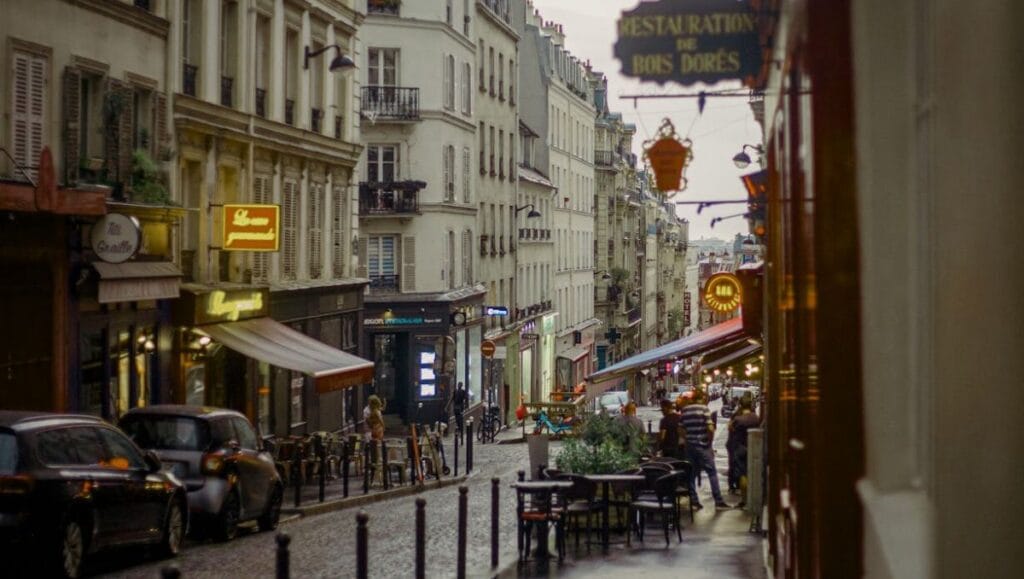
Autumn in Paris has a unique, romantic charm. I visited in late September once, and the city felt calm but alive. The leaves in parks turned golden, the air was crisp, and cafés felt cozy and inviting. Autumn also has fewer tourists than summer, making it easier to enjoy iconic landmarks.
One of my favorite experiences in autumn was walking along the Seine at dusk. The colors reflected in the water, street lamps started glowing, and there was a sense of calm. Museums like the Louvre were quieter, and I could take my time admiring the art without feeling rushed.
- Pros of Visiting in Autumn:
- Mild temperatures (10°C–18°C / 50°F–64°F)
- Fewer crowds at major attractions
- Beautiful autumn colors in parks and along streets
- Tips for Autumn Travel:
- Bring a light coat or sweater for evenings
- Take advantage of museum and cultural events
- Explore hidden neighborhoods like Le Marais and the Latin Quarter
Winter in Paris: November to March
Paris in winter has a different rhythm, quieter and slower. I visited in January once, and I loved the peaceful streets, minimal crowds, and cozy cafés. Walking along the Seine in the early morning felt like the city was mine.
Although it’s colder (3°C–8°C / 37°F–46°F), winter also brings its magic. Christmas markets, festive lights on Champs-Élysées, and seasonal treats like hot chocolate in Montmartre make Paris feel magical. Some museums are less crowded, and you can enjoy a more relaxed pace.
- Pros of Visiting in Winter:
- Fewer tourists at major attractions
- Festive decorations and events
- Lower prices for hotels and flights
- Tips for Winter Travel:
- Dress in layers and bring a warm coat, scarf, and gloves
- Plan indoor activities like museums and cafés for the coldest days
- Use public transportation to save energy on longer walks
Special Events and Festivals
When thinking about the best time to visit Paris, don’t forget about events and festivals. I timed one of my visits with Paris Fashion Week, and while I didn’t attend shows, the city buzzed with excitement. Summer brings outdoor concerts and Bastille Day celebrations. In winter, Christmas markets add charm.
Attending a local festival, even just as a spectator, gave me a unique perspective on Parisian life. These events can influence your travel experience as much as the weather and crowds.
Balancing Weather, Crowds, and Prices
After several visits, I realized the best time to visit Paris balances weather, crowds, and visiting Paris on a Budget and the Best Budget Hotels in Paris. Spring and autumn offer the best combination for sightseeing comfort and manageable crowds. Summer is great for festivals but comes with more people. Winter is quieter and more affordable, though you need to prepare for colder weather.
I always plan my trips considering what matters most: photography, walking comfort, outdoor experiences, or budget. Once I made this small adjustment, Paris trips became far more enjoyable.
My Personal Recommendation
If it were up to me, I’d recommend visiting Paris in April, May, September, or October with Paris Itinerary for First-Time Visitors. These months capture the beauty, calmness, and charm that make Paris unforgettable. Whether it’s a first-time visit or a return trip, these seasons give you the chance to explore landmarks, hidden gems, and daily life comfortably.
Finding the best time to visit Paris can transform your experience. Each season has its own personality, and knowing what to expect helps you plan your days, enjoy your walks, and truly feel like a local. Whether you prefer blooming spring gardens, lively summer streets, golden autumn leaves, or quiet winter mornings, Paris always offers memories worth cherishing. You may also explore A Complete France Travel Guide for more information.
FAQs – Best Time to Visit Paris
1. When is the best time to visit Paris?
From my experience, the best time to visit Paris is spring (April to June) and autumn (September to October). During these months, the weather is pleasant, crowds are smaller, and hotel prices are generally lower compared to the peak summer season. Spring brings blooming gardens, while autumn offers beautiful foliage along the Seine.
2. Is summer a good time to visit Paris?
Summer in Paris (July to August) can be busy and hot, especially in popular tourist spots. If you enjoy lively outdoor cafés and festivals, summer is great, but expect larger crowds and higher accommodation prices. I usually recommend booking tickets and hotels well in advance if traveling during this time.
3. Can I visit Paris in winter?
Yes! Visiting Paris in winter (November to February) can be magical, especially around Christmas with holiday lights and markets. It’s also the most budget-friendly season for hotels and flights. Just remember it can be cold and daylight hours are shorter, so plan indoor attractions accordingly.
4. What are the shoulder seasons in Paris?
The shoulder seasons are spring (April–June) and autumn (September–October). From my experience, these periods balance comfortable weather, fewer tourists, and lower prices. Exploring neighborhoods like Le Marais or walking along the Seine feels much more relaxed during shoulder seasons.
5. Does the time of year affect which attractions I can visit?
Yes, it can. Some attractions, like outdoor gardens or open-air events, are best enjoyed in spring or summer. Indoor attractions, such as museums or cafés, are accessible year-round, so winter trips focus more on cultural experiences rather than strolling in gardens.
6. How does weather affect my Paris itinerary?
Weather can influence whether I plan outdoor activities or museum visits. For sunny days, I love walking the streets of Montmartre, visiting Canal Saint-Martin, or picnicking in Luxembourg Gardens. On rainy or colder days, I spend more time at the Louvre, Musée d’Orsay, or exploring cozy cafés.
France Travel Guide Related Pages
- A Complete France Travel Guide
- Top Ten Things To Do In Paris
- Best Time To Visit Paris
- Paris Itinerary for First-Time Visitors
- Paris Hidden Gems You Should Not Miss
- Paris on a Budget – How to Save Money
- Getting Around Paris – Metro, Buses, and Walking
- Best Budget Hotels in Paris
- Where to Stay in Paris (Best Neighborhoods to Stay in Paris)
- Top Luxury Hotels in Paris: Top Hotels for 5-Star Experience