Travel Value Finder

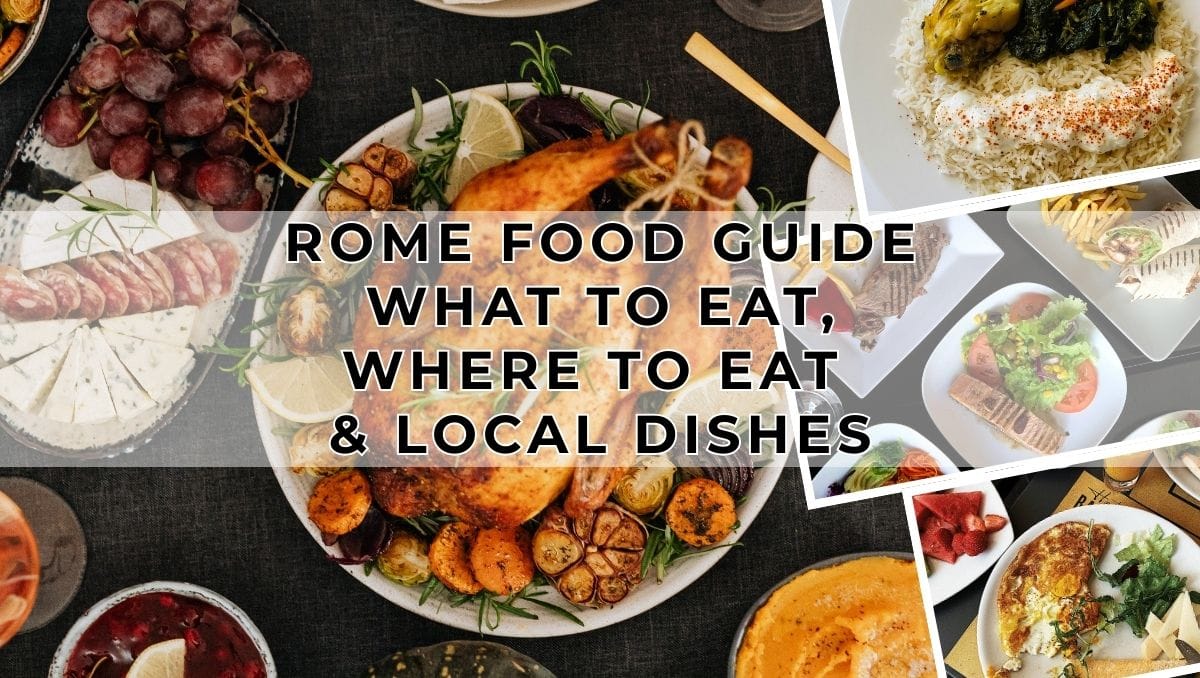
Rome Food Guide: What to Eat in Rome as a First-Time Visitor
Craving authentic Roman flavors? Our Rome Food Guide shows first-time visitors where to savor classic pasta, pizza, gelato, and street food, plus the best restaurants and hidden local gems.
What food is Rome famous for?
Rome is known for classic pasta dishes such as carbonara, cacio e pepe, and amatriciana, as well as street foods like pizza al taglio and supplì.
Is food expensive in Rome?
Food costs are reasonable. Casual meals range from €10–€15, sit-down dinners €20–€35, and fine dining can exceed €60 per person.
Can tourists eat well near landmarks?
Yes, but careful restaurant selection is necessary to avoid overpriced, low-quality meals.
Rome is a city where food is culture, history, and pleasure all at once. Eating your way through the Eternal City is one of the most memorable parts of any trip. This Rome food guide is designed for first-time visitors who want to experience traditional Roman cuisine, discover the best neighborhoods for dining, understand costs, and avoid tourist traps.
Table of Contents
Meals in Rome are leisurely affairs, emphasizing seasonal ingredients, authentic preparation, and social enjoyment. Understanding Roman dining culture enhances your experience and helps you make the most of every meal.
This page supports the Rome Travel Guide for Things to Do, Costs, Tips & Best Time to Visit Rome.
Rome Food Guide: At-a-Glance Dining Overview
| Dining Style | Typical Cost | Best For |
| Street food | €3–€6 | Quick bites, on the go |
| Casual trattoria | €12–€20 | Traditional Roman meals |
| Mid-range restaurant | €20–€35 | Relaxed sit-down dining |
| Fine dining | €60–€120 | Special occasions, tasting menus |
Understanding Roman Cuisine
Roman cuisine relies on simplicity, fresh ingredients, and bold flavors. Unlike northern Italian dishes, Roman food often emphasizes cured pork, pecorino cheese, pepper, and olive oil. Recipes are traditional and rarely complicated, but preparation must be precise to achieve the right balance.
Key characteristics
- Minimal ingredients with maximum flavor
- Generational recipes preserved for authenticity
- Emphasis on seasonal, locally sourced ingredients
Must-Try Traditional Roman Dishes
Pasta Dishes
Carbonara – Made with guanciale, eggs, Pecorino Romano, and black pepper. Cream is never used in authentic recipes. Best enjoyed at lunch when kitchens are less crowded.
Cacio e Pepe – A minimalist pasta highlighting Pecorino Romano and black pepper, emulsified with pasta water to create a creamy sauce.
Amatriciana – A tomato-based pasta from nearby Amatrice, featuring guanciale and Pecorino Romano.
Gricia – Sometimes called the “white amatriciana,” made without tomato, relying on guanciale and cheese for rich flavor.
Roman Street Foods
Supplì – Fried rice balls filled with mozzarella and ragù. Popular as a snack or appetizer.
Pizza al Taglio – Pizza by the slice, sold by weight, perfect for quick lunches or budget travelers.
Trapizzino – A modern Roman invention: pizza dough pockets stuffed with classic Roman fillings.
Porchetta Sandwiches – Slow-roasted pork served in bread, commonly found in markets and street stalls.
Roman Desserts
Gelato – Italian-style ice cream, widely available. Look for artisanal gelaterias for authentic flavors.
Maritozzo – Sweet bun filled with whipped cream, a traditional Roman breakfast treat.
Tiramisu – Not originally Roman, but commonly served in Roman cafes and restaurants.
Where to Eat in Rome: Neighborhood Guides
Trastevere
Why eat here: Family-run trattorias, lively atmosphere, authentic Roman meals. Avoid main squares; side streets offer better value.
Testaccio
Why it’s special: Known as the “food quarter,” with traditional recipes, fresh markets, and local clientele. Excellent for food lovers seeking authenticity.
Monti
Trendy area with a mix of traditional and modern cuisine. Great for young travelers and couples looking for casual dining.
Prati
Near the Vatican, quieter streets, and a mix of mid-range restaurants. Ideal for pre- or post-visit meals.
Campo de’ Fiori
Markets during the day, lively restaurants at night. Good for casual dining and street food.
Historic Center (Pantheon, Piazza Navona)
Central but tourist-heavy. Choose restaurants with Italian-language menus to avoid tourist traps.
Neighborhood Food Map Table
| Neighborhood | Best For | Specialty |
| Trastevere | Traditional trattorias | Carbonara, Cacio e Pepe |
| Testaccio | Authentic Roman cuisine | Amatriciana, Supplì |
| Monti | Trendy dining | Modern twists on classics |
| Prati | Family-friendly | Pizza, Pasta |
| Campo de’ Fiori | Markets & casual food | Fresh produce, street snacks |
| Historic Center | Central location | Quick pasta, gelato |
Get your Rome metro pass to move freely across these neighborhood.
How Much Does Food Cost in Rome?
| Item | Average Price |
| Espresso | €1.20–€1.50 |
| Cappuccino | €1.50–€2.00 |
| Pizza slice | €3–€5 |
| Pasta dish | €10–€14 |
| Three-course dinner | €25–€35 |
| Gelato | €2–€4 |
| Fine dining tasting menu | €60–€120 |
Eating near major landmarks typically costs 20–30% more.
Dining Etiquette in Rome
Key customs for first-time visitors:
- Dinner is usually after 7:30 pm
- Coperto (cover charge) is standard
- Bread is not free refills
- Asking for menu modifications is uncommon
- Tipping is optional; rounding up is appreciated
Understanding these rules avoids cultural missteps.
How to Avoid Tourist Traps
Tips:
- Avoid restaurants with photo menus and English-only signs
- Don’t eat on main squares
- Follow locals, not guides
- Explore small side streets
Street Food vs Restaurants in Rome
| Option | Pros | Cons |
| Street food | Fast, inexpensive, authentic | Limited seating, less formal |
| Trattorias | Traditional, flavorful | Can be busy, reservations recommended |
| Restaurants | Full service, comfort | Higher cost, tourist risk |
Rome Food Guide by Travel Style
First-Time Visitors
- Try the classic Roman pasta dishes
- Mix street food with sit-down meals
Budget Travelers
- Pizza al taglio, supplì, bakeries, and markets
Food Lovers
- Visit Testaccio and Trastevere for authentic experiences
- Reserve popular trattorias in advance
Families
- Family-friendly trattorias in Prati and Monti
- Casual options like pizza al taglio and gelato
Eating Well in Rome
This Rome food guide allows first-time visitors to enjoy authentic dishes, navigate restaurants confidently, and avoid common pitfalls. From street snacks to iconic pasta dishes, food is an essential part of experiencing the Eternal City.
By following this guide, visitors can confidently explore Rome’s culinary landscape, complementing their stay at hotels, use of transportation, and sightseeing itinerary.
Frequently Asked Questions: Rome Food Guide
Is tap water safe in Rome?
Yes, tap water is clean and drinkable.
Are vegetarian options available?
Yes, but Roman cuisine is meat-heavy; vegetable-based pastas and side dishes are common.
Can tourists eat well near major attractions?
Yes, but careful selection is key to avoid overpriced, low-quality meals.
What is the best gelato in Rome?
Artisanal gelaterias like Giolitti, Gelateria del Teatro, and Fatamorgana are highly recommended.
Is food in Rome expensive?
Street food and casual trattorias are very affordable. Sit-down and fine dining options cost more.
Are kosher or halal options available?
Yes, particularly in Jewish Ghetto (kosher) and near central neighborhoods for halal.
How to eat cheaply in Rome?
Use markets, street food, pizza al taglio, bakeries, and lunch specials at trattorias.
Pages That Support This Guide
To help with deeper planning, this page connects to detailed guides such as:
- Italy Travel Guide
- Rome Travel Guide
- Top 10 Things To Do In Rome
- Best Time to Visit Rome
- Transportation in Rome
- Rome Food Guide
- Cheap Hotels in Rome – Affordable & Budget Friendly
- Luxury Hotels in Rome