Travel Value Finder

What to Do in Athens Greece (2026 Guide) – 15 Best Things + Travel Tips
Wondering what to do in Athens Greece for your first trip? This historic capital isn’t just a quick stop before the islands — it’s a destination packed with world-famous landmarks, rooftop views of the Acropolis, authentic Greek food, and surprisingly affordable experiences. In this complete 2026 Athens travel guide, you’ll discover the best things to do in Athens, smart travel tips, insider advice, and common mistakes to avoid so you can plan your trip with confidence.
Best Things to Do in Athens Greece
Top things to do in Athens Greece:
- Visit the Acropolis and Parthenon
- Explore the Acropolis Museum
- Wander through Plaka Old Town
- Watch the sunset at Lycabettus Hill
- Visit the Ancient Agora
- Explore Monastiraki Square & Flea Market
- Take a Greek food tour
- Day trip to Cape Sounion
Athens is where ancient history meets modern Mediterranean energy. From exploring the Acropolis to rooftop dining with Parthenon views, Greece’s capital offers a mix of culture, food, history, and vibrant street life.
If you’re planning a trip and wondering what to do in Athens Greece, this guide covers:
- The best things to do in Athens
- Must-see historical sites
- Hidden local spots
- Food experiences
- Budget tips
- A 2–3 day Athens itinerary
Whether you’re visiting Athens for 2 days or 4 days, this guide helps you maximize your time.
Table of Contents
Why Visit Athens?
Athens is one of Europe’s oldest cities, with over 3,000 years of recorded history. It’s the birthplace of democracy, philosophy, and Western civilization.
But beyond history, Athens today offers:
- Rooftop bars with Acropolis views
- Affordable Mediterranean food
- Easy island access (Santorini, Mykonos, Hydra)
- Vibrant street art
- A walkable historic center
Athens is ideal for history lovers, food travelers, and first-time visitors to Greece.
In Athens city, the real magic of Athens happens between famous landmarks.

What to Do in Athens Greece
1. Acropolis of Athens (The Icon of Greece)
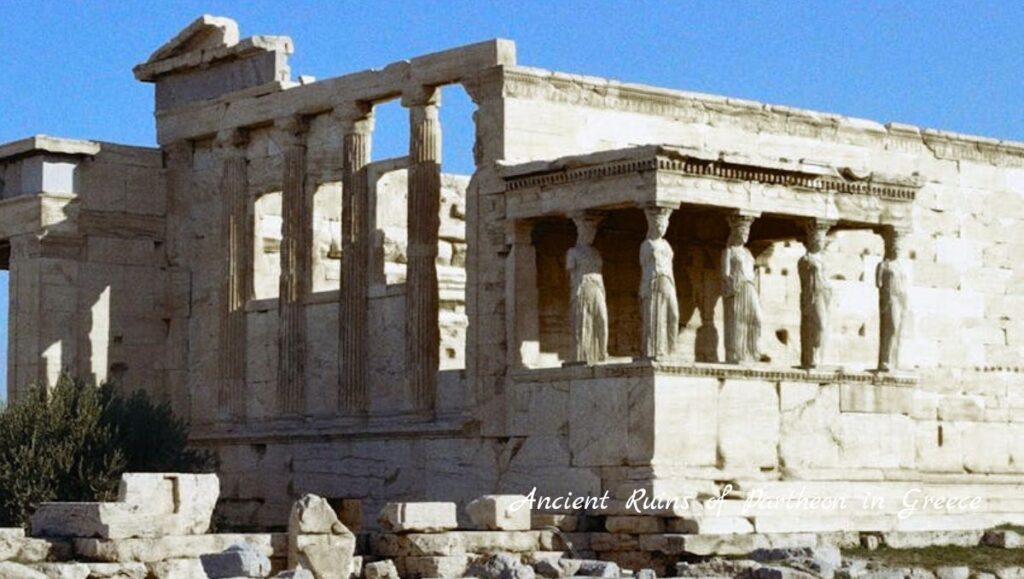
The Acropolis is the crown jewel of Athens and the most visited landmark in Greece. Rising above the city on a rocky hill, it represents the height of Classical Greek civilization.
What You’ll See:
- Parthenon – Temple dedicated to Athena, built in 447 BC
- Erechtheion – Famous for the Caryatid statues
- Temple of Athena Nike – Overlooks the city entrance
- Propylaea – Grand marble gateway
Walking through the Acropolis feels like stepping into a history book. The marble structures glow golden during sunrise and sunset.
Why It’s Worth Visiting:
- UNESCO World Heritage Site
- One of the most important ancient monuments in the world
- Stunning city views from the top
Insider Tips:
- Go right at opening (8 AM) to avoid cruise crowds
- Wear non-slip shoes (marble is slippery)
- Bring water — limited shade
- Buy the Acropolis combo ticket if visiting multiple ruins
2. Acropolis Museum (Modern Meets Ancient)
Just a 5-minute walk from the Acropolis, this museum gives context to what you just saw above.
It houses:
- Original Parthenon sculptures
- Ancient statues and artifacts
- A full-scale Parthenon gallery
- Glass floors showing excavations beneath
The top-floor gallery aligns directly with the Parthenon — a powerful design detail.
Why Visit:
Many travelers say it makes the Acropolis experience more meaningful.
Insider Tip:
Visit the museum before going up the Acropolis if you prefer understanding context first.
3. Ancient Agora (Birthplace of Democracy)
The Ancient Agora was once the political and commercial heart of Athens.
Here is where:
- Citizens debated laws
- Philosophers like Socrates taught
- Trade and public gatherings happened
The highlight is the Temple of Hephaestus, one of the best-preserved temples in Greece.
It’s quieter and less crowded than the Acropolis, making it more peaceful.
4. Plaka (Old Town Athens)
Plaka is the oldest neighborhood in Athens and one of the most charming areas in the city.
Expect:
- Narrow cobblestone streets
- Bougainvillea-covered balconies
- Local tavernas
- Small museums and churches
It’s ideal for:
- Souvenir shopping
- Dinner with Acropolis views
- Casual evening walks
Best visited at sunset when the streets glow with warm lighting.
5. Monastiraki Square & Flea Market
This is Athens’ most energetic district.
Here you’ll find:
- Rooftop bars with Acropolis views
- Antique markets
- Street food stands
- Trendy cafés
It’s especially lively at night and great for affordable food options.
Travel Tip:
Watch for pickpockets in crowded areas.
6. Lycabettus Hill (Best View in Athens)
Lycabettus Hill is the highest point in central Athens.
You can:
- Hike up (30–40 minutes)
- Take the funicular railway
At the top:
- 360° panoramic views
- Small white chapel
- Restaurant with sunset views
This is arguably the best photography spot in Athens.
7. Panathenaic Stadium
This all-marble stadium hosted the first modern Olympic Games in 1896.
Fun fact:
It’s the only stadium in the world built entirely of marble.
Visitors can:
- Walk the Olympic track
- Sit in the stands
- Enter through the athletes’ tunnel
It’s often overlooked but worth a short visit.
8. Temple of Olympian Zeus
Once one of the largest temples in the ancient world, only a few giant columns remain — but they are massive.
It’s located near:
- Hadrian’s Arch
- National Garden
Quick stop (30–45 minutes), but very photogenic.
9. Cape Sounion (Day Trip)
About 1.5 hours from Athens, Cape Sounion is home to the Temple of Poseidon overlooking the Aegean Sea.
It’s one of the best sunset experiences in Greece.
Perfect if you want:
- Coastal scenery
- Less crowded ruins
- Dramatic photography
Athens Attractions Table (Transport, Cost & Tips)
| Attraction | Nearest Metro/Transport | Entry Cost (Approx.) | Time Needed | Travel Tips |
| Acropolis | Acropoli (Metro Line 2) | €20 (€30 combo) | 2–3 hrs | Visit early morning or late afternoon |
| Acropolis Museum | Acropoli (Line 2) | €15 | 1.5–2 hrs | Visit before or after Acropolis |
| Ancient Agora | Monastiraki (Line 1 & 3) | Included in the combo tickets | 1.5 hrs | Less crowded than Acropolis |
| Plaka | Acropoli / Syntagma | Free | 1–2 hrs | Best explored in evening |
| Monastiraki Square | Monastiraki (Line 1 & 3) | Free | 1–2 hrs | Watch for pickpockets |
| Lycabettus Hill | Evangelismos (Line 3) | Free / Funicular ~€10 | 1–2 hrs | Best at sunset |
| Panathenaic Stadium | Syntagma (Line 2 & 3) | €10 | 1 hr | Combine with National Garden |
| Temple of Olympian Zeus | Acropoli (Line 2) | €8 | 45 min | Short visit, good photo stop |
| Cape Sounion | Bus from Athens | €10–€15 | Half-day | Go for sunset |
Final Travel Planning Advice
If you’re visiting Athens for the first time:
- Stay near Plaka, Syntagma, or Monastiraki
- Buy the combo archaeological ticket
- Plan outdoor ruins in the morning
- Save rooftop bars for sunset
Athens is walkable, historically rich, and surprisingly affordable compared to other European capitals.
Athens Travel Tips (First-Time Visitor Guide)
Athens is exciting, historic, and surprisingly easy to navigate — but knowing a few smart travel tips can save you money, time, and stress.
Here’s what you should know before visiting Athens, Greece.
1. Buy the Acropolis Combo Ticket (Save Money)
If you plan to visit multiple archaeological sites, buy the Athens Combined Ticket instead of individual entries.
It includes:
- Acropolis
- Ancient Agora
- Roman Agora
- Temple of Olympian Zeus
- Hadrian’s Library
- Kerameikos
- Approx. €30
- Valid for 5 days
This is one of the best travel hacks in Athens and ideal for a 2–3 day itinerary.
2. Visit Major Attractions Early (Heat & Crowd Strategy)
Athens gets extremely hot, especially from June to September. Summer temperatures can exceed 35°C (95°F), and there’s very little shade at archaeological sites.
Best strategy:
- Visit the Acropolis at opening (8 AM)
- Explore indoor museums during mid-day
- Do sunset activities (Lycabettus Hill, rooftop bars)
You’ll avoid:
- Cruise ship crowds
- Long entry lines
- Heat exhaustion
3. Use the Metro from Athens Airport
Avoid expensive taxis unless traveling late at night.
Best options:
- Metro Line 3 (Blue Line) → Direct to Syntagma & Monastiraki
- Cost: ~€9
- Travel time: ~40 minutes
Taxi fare from airport:
- ~€40–€55 (fixed rate depending on time)
The metro is clean, safe, and reliable.
4. Stay in the Right Neighborhood
Location matters in Athens.
Best areas to stay:
- Plaka – Charming, walkable, romantic
- Monastiraki – Lively, nightlife, rooftop bars
- Syntagma – Central, convenient, near Parliament
Areas to research carefully:
- Omonia (budget but mixed reviews)
- Some parts of Exarchia at night
If it’s your first time in Athens, choose accommodation within walking distance of the Acropolis.
5. Wear Proper Shoes (Marble Is Slippery)
Ancient marble becomes extremely slippery, especially:
- After rain
- During early morning dew
- On polished pathways
Wear:
- Closed walking shoes with grip
- Avoid sandals with smooth soles
This is one of the most overlooked travel tips for Athens.
6. Carry Cash (But Cards Are Widely Accepted)
Credit cards are accepted almost everywhere.
However, some place may prefer cash such as:
- Small kiosks
- Street vendors
- Some local bakeries
- Flea market stalls
ATMs are easy to find in central Athens.
7. Be Aware of Pickpockets
Athens is generally safe, but pickpocketing can happen in:
- Monastiraki Square
- Metro stations
- Crowded buses
- Busy tourist streets
Tips:
- Use anti-theft backpacks
- Avoid keeping phones in back pockets
- Stay alert in crowded public transport
Violent crime against tourists is rare.
8. Drink Tap Water (It’s Safe)
Tap water in Athens is safe to drink. However, many locals prefer bottled water because:
- Taste varies slightly
- Bottled water is inexpensive (~€0.50–€1)
Staying hydrated is crucial in summer.
9. Understand Greek Dining Culture
Meals in Greece are relaxed and social.
Things to know:
- Dinner usually starts after 8 PM
- You may not receive the bill unless you ask
- Tipping 5–10% is appreciated but not mandatory
Try:
- Meze (small sharing plates)
- House wine (often affordable and good quality)
Athens food culture is one of the highlights of visiting.
10. Plan for Siesta Hours
Some smaller shops close between: 2 PM – 5 PM
Major attractions remain open, but boutique shops may close mid-day. Plan shopping in the morning or evening.
11. Visit Rooftop Bars for the Best Views
One of the best free “experiences” in Athens is simply enjoying a drink with an Acropolis view.
Many rooftop bars:
- Do not charge entrance fees
- Only require a drink purchase
This gives you:
- Daylight view
- Sunset colors
- Night-lit Parthenon
Best time:
- 30–60 minutes before sunset
12. Combine Athens with Greek Islands
Athens is not just a city destination — it’s the gateway to the islands.
Easy ferry access to:
- Hydra (1.5–2 hrs)
- Aegina (40 mins)
- Santorini (4–5 hrs by fast ferry)
Spending 2–3 days in Athens before island hopping is ideal.
13. Best Time to Visit Athens
Best months:
- April
- May
- September
- October
Why?
- Pleasant temperatures (20–28°C)
- Fewer crowds
- Lower hotel prices
Avoid peak July–August unless you can handle extreme heat.
14. Download Offline Maps
While Athens is walkable, streets in Plaka can feel maze-like.
Download:
- Google Maps offline
- Metro map screenshot
- Attraction tickets in PDF form
Although free WiFi exists, it is not consistent in every places.
15. Don’t Skip Athens Thinking It’s Just a Stopover
Many travelers treat Athens as a transit city before Santorini or Mykonos. That’s a mistake.
Athens offers:
- World-class historical sites
- Authentic Greek food
- Lower prices than islands
- Vibrant urban culture
Spending at least 2 full days in Athens is highly recommended.
Quick Summary: Essential Athens Travel Tips
- Buy the combo archaeological ticket
- Visit major ruins early morning
- Use metro from airport
- Stay in Plaka or Syntagma
- Wear proper walking shoes
- Watch for pickpockets
- Plan around summer heat
Athens Travel FAQs
1. How many days do you need in Athens?
Most travelers need 2 to 3 days in Athens.
2 days covers the Acropolis, Ancient Agora, Plaka, and Lycabettus Hill.
3 days allows time for a museum visit or a day trip to Cape Sounion or a nearby island.
2. Is Athens safe for tourists?
Yes, Athens is generally safe for tourists. Violent crime is rare. The main issue is pickpocketing in crowded areas like Monastiraki Square and on public transport. Stay aware of your belongings and avoid flashing valuables.
3. What is the best time to visit Athens?
The best time to visit Athens is April–June and September–October.
These months offer pleasant temperatures, fewer crowds, and better hotel prices compared to peak summer.
4. Is Athens expensive to visit?
Athens is more affordable than many Western European capitals.
Average daily budget:
Budget traveler: €60–€90
Mid-range: €120–€180
Luxury: €250+
Food and public transport are reasonably priced.
5. How do I get from Athens Airport to the city center?
The easiest way is the Metro Line 3 (Blue Line).
Travel time: ~40 minutes
Cost: ~€9
Stops include Syntagma and Monastiraki
Taxis cost around €40–€55 depending on time of day.
6. Can you walk everywhere in Athens?
Yes, the historic center is highly walkable.
Most major attractions are within a 15–20 minute walking radius around the Acropolis.
However, some hills and marble paths can be steep and slippery.
7. Should I buy tickets in advance for the Acropolis?
Yes, especially in peak season (May–September).
Timed-entry tickets reduce waiting time and guarantee entry during busy periods.
8. Is tap water safe in Athens?
Yes, tap water in Athens is safe to drink. Many visitors still prefer bottled water due to taste, but it is not a health concern.
9. What area is best to stay in Athens?
The best neighborhoods for tourists are:
Plaka – Charming and central
Monastiraki – Lively with nightlife
Syntagma – Convenient and well-connected
These areas provide easy walking access to top attractions.
10. Is Athens worth visiting or just a stopover?
Athens is absolutely worth visiting. Beyond the Acropolis, the city offers world-class museums, authentic Greek food, rooftop views, and vibrant neighborhoods. Spending at least two full days enhances your Greece experience before heading to the islands.

Athens Travel Mistakes to Avoid
Avoiding these common mistakes can make your trip smoother and more enjoyable.
1. Visiting the Acropolis Midday in Summer
Midday temperatures can exceed 35°C (95°F), and there is little shade.
Better alternative:
- Go at opening time
- Visit late afternoon
- Schedule museums during peak heat
2. Staying Too Far from the Historic Center
Choosing accommodation far outside central Athens may save a little money but costs valuable time.
Stay within walking distance of:
- Acropolis
- Syntagma
- Monastiraki
This reduces commuting and improves your overall experience.
3. Ignoring the Combo Archaeological Ticket
Buying separate tickets for each site costs more.
The combined ticket saves money and is valid for multiple days.
4. Underestimating Walking Conditions
Athens has:
- Uneven sidewalks
- Slippery marble paths
- Steep hills
Wearing improper footwear is one of the most common tourist mistakes.
5. Skipping Athens for the Islands
Many travelers rush through Athens to reach Santorini or Mykonos. However, spending more time in Athens City can be rewarding because Athens offers:
- Rich history
- Affordable dining
- Authentic local culture
- Less tourist pricing than islands
6. Not Watching Belongings on Public Transport
Pickpockets operate mainly in crowded metro stations and tourist zones.
Simple precautions:
- Use anti-theft bags
- Keep valuables in front pockets
- Stay alert during busy hours
7. Not Planning Around Cruise Ship Arrivals
Cruise ships bring thousands of visitors at once. If you arrive early or late afternoon, you’ll avoid peak crowd surges at the Acropolis.
8. Expecting Ultra-Luxury Infrastructure Everywhere
Athens blends ancient ruins with modern life. Some areas may appear slightly worn or graffiti-covered. This is normal and part of the urban character. Focus on central areas for the best experience.
9. Forgetting to Explore Beyond the Acropolis
Athens has much more to offer:
- Rooftop bars
- Street art tours
- National Garden
- Local food markets
Spend time exploring neighborhoods, not just monuments.
10. Visiting Without Hydrating
The Mediterranean sun is intense.
Carry water, wear sunscreen, and take breaks in shaded cafés.
Athens vs Santorini vs Mykonos: Which Greek Destination Is Right for You?
If you’re planning a trip to Greece, one of the biggest questions is:
Should you visit Athens, Santorini, or Mykonos?
Each destination offers a completely different experience. Here’s how they compare so you can choose the one that fits your travel style.
Quick Comparison Overview
| Feature | Athens | Santorini | Mykonos |
| Best For | History & culture | Romantic views & sunsets | Beaches & nightlife |
| Atmosphere | Urban, historic | Scenic, romantic | Trendy, party-focused |
| Budget Level | $$ (Most affordable) | $$$$ (Expensive) | $$$$ (Expensive) |
| Iconic Highlight | Acropolis & Parthenon | Caldera sunset in Oia | Beach clubs & windmills |
| Ideal Stay | 2–3 days | 2–3 days | 2–4 days |
| Walkability | High (central areas) | Moderate (hilly) | Moderate |
| Nightlife | Rooftop bars | Relaxed wine bars | World-famous beach parties |
| Best For First-Time Greece Visitors? | Yes | Yes (if budget allows) | If you love nightlife |
Athens: Best for History, Culture & Food
Athens is ideal if you:
- Love ancient history and archaeological sites
- Want a mix of museums, neighborhoods, and local life
- Prefer more affordable accommodation and food
- Are planning island hopping afterward
Athens offers:
- The Acropolis and Parthenon
- Ancient Agora
- Walkable historic center
- Rooftop bars with Acropolis views
- Authentic Greek tavernas
It’s the best starting point for a Greece itinerary and perfect for 2–3 days before heading to the islands.
Choose Athens if:
You want depth, culture, and value for money.
Santorini: Best for Romance & Scenic Views
Santorini is famous worldwide for:
- Whitewashed buildings
- Blue-domed churches
- Caldera cliff sunsets
- Luxury cave hotels
It’s one of the most photographed places in Europe.
However:
- It’s one of the most expensive Greek islands
- Crowds peak during summer
- Hotels with sunset views cost significantly more
Santorini is ideal for:
- Honeymoons
- Romantic getaways
- Luxury travelers
- Photography lovers
Choose Santorini if:
You want dramatic scenery and unforgettable sunsets.
Mykonos: Best for Beaches & Nightlife
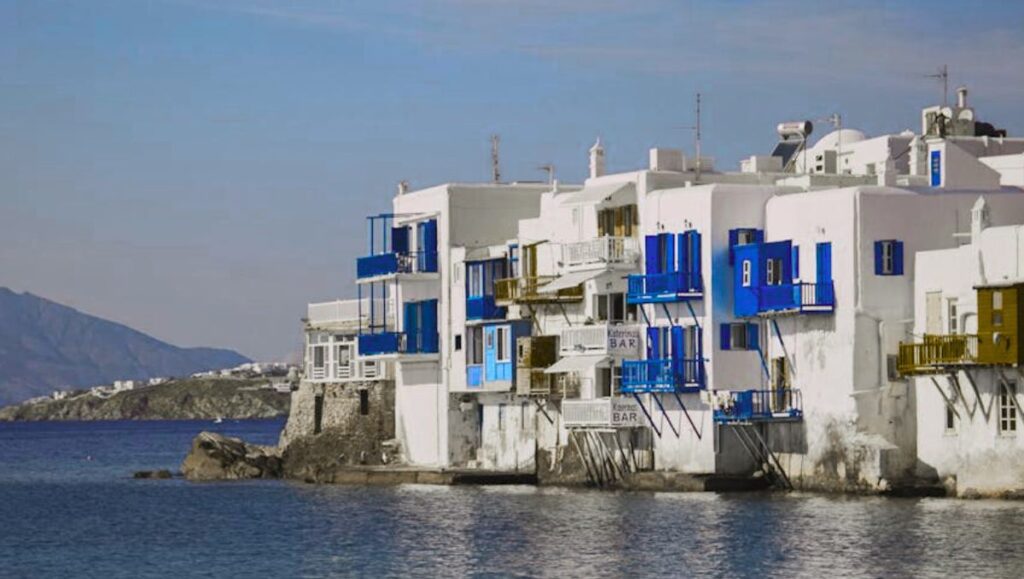
Mykonos is known as the party island of Greece.
It offers:
- Beach clubs (Paradise Beach, Super Paradise)
- International DJs
- Stylish boutique hotels
- Cosmopolitan atmosphere
While it also has charming whitewashed streets and windmills, Mykonos is primarily a nightlife destination.
Costs are high, especially in peak season.
Choose Mykonos if:
You want beach days and vibrant nightlife.
Which Is More Expensive?
From most affordable to most expensive:
- Athens
- Santorini
- Mykonos (often the most expensive in peak season)
Athens provides the best value for:
- Food
- Hotels
- Public transport
- Attractions
Santorini and Mykonos have significantly higher accommodation costs, especially from June to September.
Which One Should First-Time Visitors Choose?
For most first-time visitors to Greece:
Ideal Plan:
✔ Spend 2–3 days in Athens
✔ Then visit either Santorini (romantic & scenic) or Mykonos (beach & nightlife)
Athens gives cultural context to your trip before enjoying the island lifestyle.
Can You Visit Athens, Santorini, and Mykonos in One Trip?
Yes. A 7–10 day Greece itinerary can include all three.
Example itinerary:
- Days 1–3: Athens
- Days 4–6: Santorini
- Days 7–9: Mykonos
This balances culture, scenery, and beaches.
Final Verdict
Choose Athens if you want history, food, and better value.
Choose Santorini if you want romantic sunsets and iconic views.
Choose Mykonos if you want beaches and vibrant nightlife.c
For most travelers, Athens + one island creates the perfect Greece itinerary.
Is Athens Worth Visiting? Final Thoughts
If you’re still wondering what to do in Athens Greece, the answer is simple: more than you expect.
Athens isn’t just a historical stop before Santorini or Mykonos. It’s a city where ancient ruins stand beside vibrant neighborhoods, where rooftop sunsets compete with 3,000-year-old monuments, and where you can experience world-famous landmarks without Western Europe price tags.
In just 2–3 days, you can:
- Walk through the Acropolis and Parthenon
- Explore the Ancient Agora where democracy was born
- Wander the charming streets of Plaka
- Watch the sunset from Lycabettus Hill
- Enjoy authentic Greek food at local tavernas
Athens rewards travelers who slow down. Beyond the iconic sights, the real magic is in the evening walks, the neighborhood cafés, and the warm Mediterranean atmosphere.
Whether you’re planning your first trip to Greece or building a larger island-hopping itinerary, Athens is the perfect starting point.
Before you finalize your plans, consider:
- Choosing the right neighborhood to stay
- Planning around the best time to visit Athens
- Booking Acropolis tickets in advance
- Adding a nearby island or Cape Sounion day trip
Athens blends history, culture, food, and accessibility in a way few European capitals can match.
If you plan smart, avoid common travel mistakes, and explore beyond just the Parthenon, you’ll leave understanding why Athens remains one of the most important — and underrated — cities in Europe.
Use this Greece Travel Guide as your starting point, then dive deeper with our detailed city and island guides:
- Greece Travel Guide
- Athens Travel Guide
- Santorini Travel Guide
- Mykonos Travel Guide
- Crete Travel Guide
- Rhodes Travel Guide