Travel Value Finder

Is Venice worth visiting for first-time travelers?
Yes. Venice is absolutely worth visiting for first-time travelers thanks to its historic canals, iconic landmarks, romantic atmosphere, and compact walkable layout.
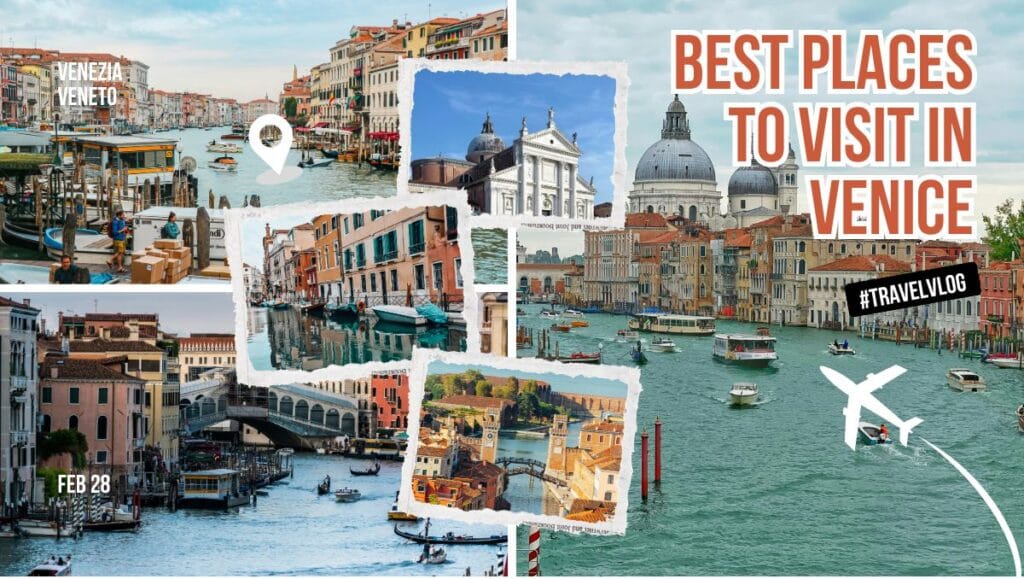
Wondering about the best places to visit in Venice? From iconic palaces and historic streets to world-class museums and cozy cafés, the city has something for every traveler.
Leslie Nics, TravelValueFinder.com | Last updated: April 2026 | Based on first-hand research and on-the-ground travel across Rome, Florence, Venice, Milan, Naples and the Amalfi Coast
Table of Contents
Best Places to Visit in Venice Italy FAQs
Is Venice walkable?
Yes. Venice is extremely walkable, though expect many bridges and stairs.
Do I need a gondola ride?
It’s optional. A traghetto offers a cheaper alternative.
Is Venice expensive?
Yes, but budget travelers can manage costs with planning.
Is Venice safe for tourists?
Yes. Venice is generally safe, though pickpocketing can occur in crowded areas.
How many days do you really need in Venice?
Most first-time visitors find 2 – 3 days ideal to see highlights without rushing.
Is Venice too crowded to enjoy?
Crowds concentrate around St. Mark’s Square. Exploring districts like Cannaregio offers relief.
Can you visit Venice on a budget?
Yes. Budget hotels, street food, vaporetto passes, and free attractions make it manageable.
Is Venice sinking?
Venice faces environmental challenges, but modern flood barriers help protect the city.
Do restaurants charge cover fees?
Yes. Coperto (cover charge) is common and usually listed on menus.
Best Places to Visit in Venice | Best Things to Do, Where to Stay & Travel Tips
Venice is one of the most unique cities in the world. Built on more than 100 small islands connected by canals and bridges, Venice feels unlike anywhere else in Italy.
For first-time visitors, the city can be magical-but also confusing without the right planning.
This Best Places to Visit in Venice is designed to help you understand how Venice works, what to see, where to stay, how much to budget, and how to avoid common mistakes.
For detailed Italian experience, our Italy Travel Guide, including insights on Where to Stay in Venice for a comfortable and affordable stay.
Why Visit Venice?
Venice offers an experience that cannot be replicated elsewhere. Instead of roads, you’ll find canals.
Instead of cars, boats and gondolas, the city’s beauty lies not just in its famous sights, but in wandering quiet alleys, crossing small bridges, and discovering hidden piazzas.
Highlights of the Best Places to Visit in Venice:
- UNESCO World Heritage historic center
- Iconic landmarks like St. Mark’s Basilica and Doge’s Palace
- Gondola rides and canal-side walks
- Compact city ideal for slow travel
Venice is best approached with the right expectations: slower pace, higher costs than other Italian cities, and a focus on atmosphere rather than attractions alone.
Best Places to Visit in Venice: Must-See Attractions for First-Time Visitors
Venice is compact, but it is packed with world‑class landmarks, historic neighborhoods, and unforgettable views.
For first-time visitors, focusing on the city’s essential sights while allowing time to wander is the best approach.
Below are the best places to visit in Venice, explained in detail so you understand why they matter and how much time to plan.
Venice Highlights Overview Table
| Attraction | Why It’s Famous | Time Needed | Insider Tip |
|---|---|---|---|
| St. Mark’s Square | Cultural heart of Venice | 1 – 2 hours | Visit early morning or late evening |
| St. Mark’s Basilica | Iconic Byzantine church | 1 hour | Book skip‑the‑line tickets |
| Doge’s Palace | Venetian political history | 1.5 – 2 hours | Combine with Basilica ticket |
| Grand Canal | Main waterway | 30 – 60 min | Take Vaporetto Line 1 |
| Rialto Bridge & Market | Oldest bridge, local life | 45 – 60 min | Visit the market in the morning |
| Murano & Burano | Lagoon islands | Half day | Go early to avoid crowds |
St. Mark’s Square (Piazza San Marco)
St. Mark’s Square is the symbolic heart of Venice and the first stop for most visitors.
Surrounded by St. Mark’s Basilica, the Doge’s Palace, and historic cafés, this grand open space has served as Venice’s political and social center for centuries.
Best time to visit: Early morning (before 9am) or after sunset to avoid crowds and enjoy the atmosphere.
Why it’s important:
- Home to Venice’s most famous landmarks
- Central meeting point for tours and vaporetto routes
- Stunning views of Venetian architecture
St. Mark’s Basilica
St. Mark’s Basilica is one of the most visually striking churches in Europe, known for its golden mosaics, domes, and Byzantine influence.
It reflects Venice’s historic ties with the Eastern Mediterranean.
Visitor Tip: Dress modestly and book tickets in advance to skip long queues.
What makes it special:
- Over 8,000 square meters of mosaics
- Unique blend of Eastern and Western design
- Panoramic terrace views over St. Mark’s Square
Doge’s Palace (Palazzo Ducale)
The Doge’s Palace was the seat of Venetian power for centuries.
Inside, visitors can explore grand halls, government chambers, and the famous Bridge of Sighs, which once connected the palace to the prison.
Visitor Tip: Plan at least 1.5 hours for a relaxed visit.
Why visit:
- Deep insight into Venice’s political history
- Lavish interiors and Renaissance artwork
- Access to the Bridge of Sighs
The Grand Canal
The Grand Canal is Venice’s main artery, winding through the city in an S‑shape. Instead of streets, this waterway connects palaces, churches, and neighborhoods.
A gondola ride is iconic but optional; public boats offer a similar experience for far less.
Best ways to experience it:
- Vaporetto Line 1 for a scenic ride
- Evening cruise for fewer crowds
- Viewing from Rialto Bridge or Accademia Bridge
Rialto Bridge & Rialto Market
The Rialto Bridge is Venice’s oldest and most famous bridge. Nearby, the Rialto Market showcases daily Venetian life, with stalls selling seafood, fruits, and local produce.
Visit the market in the morning for the liveliest atmosphere.
Why it matters:
- Historic trading center of Venice
- Great spot for photos and souvenirs
- Market offers an authentic local experience
Murano, Burano & Torcello Islands
The Venetian Lagoon islands offer a refreshing break from the main city.
These islands are ideal for a half-day trip and add depth to a first-time Venice itinerary.
- Murano is famous for glassmaking and artisan workshops.
- Burano is known for its colorful houses and lace-making traditions.
- Torcello offers quiet nature, historic churches, and fewer crowds.
Dorsoduro & Accademia Area (Bonus Stop)
For visitors who want to go beyond the main highlights, the Dorsoduro district offers museums, churches, and scenic canal views with fewer tourists.
Why visit:
- Home to the Accademia Gallery
- Relaxed atmosphere and local cafés
- Beautiful sunset views along the canals
How Many Days to Spend in Venice?
Ideal stay for first-time visitors: 2 – 3 days. Venice rewards slow exploration. Rushing through in a single day often leads to overcrowding stress.
- 1 day: See main highlights only
- 2 days: Attractions + wandering neighborhoods
- 3 days: Add lagoon islands (Murano, Burano, Torcello)
Best Time to Visit Venice
| Season | Pros | Cons |
|---|---|---|
| Spring (Apr – May) | Mild weather, fewer crowds | Higher prices |
| Summer (Jun – Aug) | Long days, festivals | Crowds, heat |
| Fall (Sep – Oct) | Pleasant weather | Occasional rain |
| Winter (Nov – Feb) | Fewer tourists, lower prices | Cool, acqua alta |
Best overall time: April – May and September – October
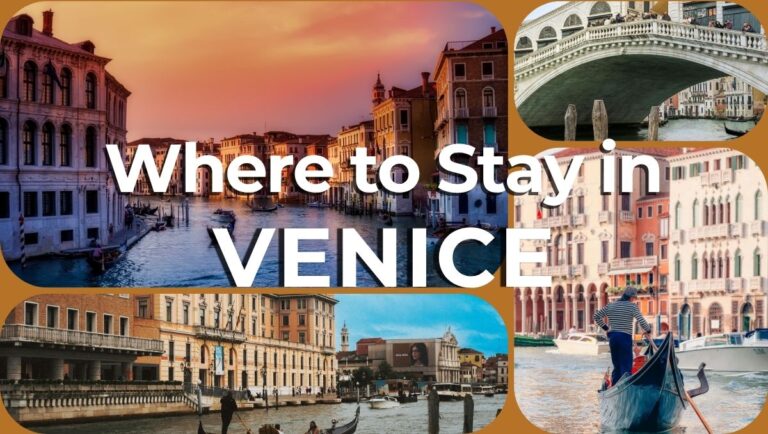
Where to Stay in Venice: Best Neighborhoods for First-Time Visitors
Choosing where to stay in Venice has a huge impact on your experience. Unlike other cities, Venice has no cars, and every neighborhood feels different in terms of atmosphere, crowd levels, price, and convenience. For first-time visitors, the goal is to balance location, budget, and accessibility while avoiding overly touristy or inconvenient areas.
Below is a breakdown of the best neighborhoods to stay in Venice, explained in a way that helps you decide what fits your travel style.
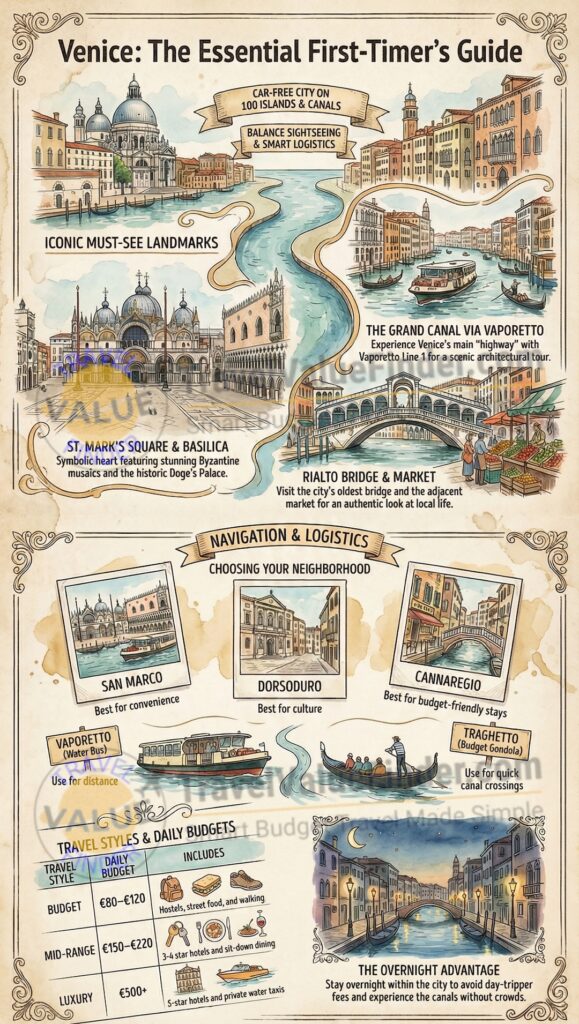
Venice Neighborhoods at a Glance
| Area | Best For | Price Level | Why It Matters |
|---|---|---|---|
| San Marco | First-timers & short stays | High | Central, walkable to major sights |
| Dorsoduro | Culture lovers & quieter stays | Mid | Relaxed vibe, museums, scenic views |
| Cannaregio | Budget & authentic experience | Low – Mid | Local feel, fewer crowds |
| Castello | Longer stays | Mid | Residential, spacious feel |
| Mestre | Budget travelers | Low | Lower prices, train access to Venice |
San Marco: Best Location for First-Time Visitors
San Marco is the most central and iconic area of Venice. Staying here puts you within walking distance of St. Mark’s Basilica, Doge’s Palace, and the Grand Canal.
San Marco is best for travelers who value convenience over budget and want to minimize travel time.
Why stay in San Marco:
- Ideal for short stays and first visits
- Easy access to major attractions
- Excellent vaporetto connections
Things to consider:
- Hotels are more expensive
- Busy during daytime hours
Dorsoduro: Best for Culture & a Relaxed Atmosphere
Dorsoduro sits across the Grand Canal from San Marco and offers a quieter, more artistic side of Venice. It’s home to the Accademia Gallery and several universities.
Why stay in Dorsoduro:
- Less crowded than San Marco
- Beautiful canal walks and sunset views
- Easy walking access to main sights
Ideal for: Couples, culture lovers, and travelers who prefer calm evenings.
Cannaregio: Best for Budget & Authentic Venice
Cannaregio is one of Venice’s most residential districts and a favorite among repeat visitors. It offers a strong local vibe with traditional restaurants and wine bars.
Why stay in Cannaregio:
- More affordable hotels and guesthouses
- Authentic neighborhoods and local dining
- Well-connected by vaporetto
Ideal for: Budget travelers, longer stays, and visitors who want a local experience.
Castello: Best for Longer Stays & Quiet Nights
Castello stretches east from San Marco and feels more residential the further you go. It’s a good option for travelers staying several nights.
Why stay in Castello:
- Quieter streets at night
- Spacious accommodations
- Easy walking distance to San Marco
This area suits travelers who want balance: close to sights but away from crowds.
Mestre: Best for Saving Money
Mestre is located on the mainland and connected to Venice by frequent trains and buses.
Why consider Mestre:
- Significantly cheaper hotels
- Large, modern accommodations
- Easy 10 – 15 minute train ride to Venice
Downside: You won’t experience Venice’s magic at night, which many consider the highlight of the city.
Where NOT to Stay in Venice (First-Time Tips)
- Areas far from vaporetto stops
- Extremely cheap listings without reviews
- Day-trip – oriented zones near cruise terminals
Location is more important in Venice than hotel star rating.
How to Choose the Right Area in Venice
- Short stay (1 – 2 nights): San Marco or Dorsoduro
- Budget-focused trip: Cannaregio or Mestre
- Romantic getaway: Dorsoduro or quiet San Marco streets
- Longer stay: Castello or Cannaregio
Transportation in Venice Explained: How to Get Around for First-Time Visitors
Transportation in Venice is completely different from any other city in Italy.
There are no cars, buses, or bicycles in the historic center. Instead, Venice relies on walking and water-based transport, which is part of what makes the city so unique.
Understanding how transportation works in Venice will save you time, money, and frustration-especially on your first visit.
Main Ways to Get Around Venice
| Transport Type | Best For | Cost | Why It Matters |
|---|---|---|---|
| Walking | Short distances | Free | Best way to explore Venice |
| Vaporetto | Longer routes | €9.50 single | Public water buses |
| Water Taxi | Convenience | €60 – €100 | Fast but expensive |
| Traghetto | Canal crossings | €2 – €3 | Budget gondola alternative |
Walking in Venice: The Primary Way to Explore
Venice is one of the most walkable cities in Europe. Most major attractions are within 20 – 30 minutes of each other on foot.
Why walking is ideal:
- Discover hidden alleys and quiet canals
- No traffic noise or pollution
- Flexible and free
What to expect:
- Many bridges with stairs
- Occasional confusing signage
- Google Maps works but allow extra time
Comfortable walking shoes are essential.
Vaporetto (Water Bus) System
The vaporetto is Venice’s version of public transportation. These water buses operate along the Grand Canal and connect neighborhoods and islands.
Popular vaporetto routes:
- Line 1: Scenic Grand Canal route
- Line 2: Faster Grand Canal option
- Lines 12 & 14: Lagoon islands
Ticket Options:
| Pass Type | Validity | Price |
|---|---|---|
| Single Ride | 75 minutes | €9.50 |
| 24-Hour Pass | Unlimited | €25 |
| 48-Hour Pass | Unlimited | €35 |
| 72-Hour Pass | Unlimited | €45 |
Multi-day passes are highly recommended for first-time visitors.
Water Taxis: When Are They Worth It?
Water taxis provide door-to-door service and are often used for airport transfers or hotel drop-offs. Best used for special occasions or late-night arrivals.
Pros:
- Fast and private
- Luggage-friendly
Cons:
- Expensive
- Not necessary for most trips
Traghetto: Gondola on a Budget
A traghetto is a shared gondola used to cross the Grand Canal where bridges are far apart. Locals often stand during the crossing.
Why use it:
- Costs a fraction of a gondola ride
- Short but authentic experience
Getting to Venice from the Airport
Venice has two main airports: Marco Polo (VCE) and Treviso (TSF).
| Airport | Best Transfer Option | Time | Cost |
|---|---|---|---|
| Marco Polo | Water bus (Alilaguna) | 60 – 75 min | €15 |
| Marco Polo | Water taxi | 30 – 40 min | €100 |
| Treviso | Bus + Train | 60 – 90 min | €10 – €15 |
Transportation Tips for First-Time Visitors
- Buy vaporetto passes early
- Avoid rush hours (8 – 9am, 5 – 7pm)
- Travel light due to stairs and bridges
- Stay near vaporetto stops
Venice Travel Costs: Budget vs Luxury (What to Expect)
Venice is often considered one of Italy’s more expensive destinations, but costs vary widely depending on travel style.
Knowing what to budget helps you plan realistically and avoid surprises. Venice delivers value through atmosphere, history, and scenery rather than sheer quantity of attractions.
Travelers who stay overnight, walk often, and eat like locals tend to feel Venice is well worth the cost.
Is Venice Worth the Cost?
For most travelers, Venice’s uniqueness justifies the price-especially when expectations are set correctly and planning is done in advance.
While Venice is more expensive than many Italian cities, smart choices allow both budget and luxury travelers to enjoy the city without overspending.
Average Daily Travel Costs in Venice
| Travel Style | Daily Budget | What’s Included |
|---|---|---|
| Budget | €80 – €120 | Hostel, street food, vaporetto pass |
| Mid-Range | €150 – €220 | 3 – 4★ hotel, restaurants, attractions |
| Luxury | €300 | 5★ hotel, gondola, private tours |
Accommodation Costs
| Hotel Type | Price Per Night | Notes |
|---|---|---|
| Hostel / Budget Hotel | €40 – €90 | Shared or basic rooms |
| Mid-Range Hotel | €120 – €220 | Comfortable, central |
| Luxury Hotel | €350 – €800+ | Canal views, premium service |
Staying outside San Marco or in Mestre can significantly reduce costs.
Food & Dining Costs
| Meal Type | Average Cost |
|---|---|
| Street Food / Cicchetti | €5 – €10 |
| Casual Restaurant | €15 – €25 |
| Mid-Range Restaurant | €30 – €50 |
| Fine Dining | €70 |
Avoid restaurants near major landmarks with picture menus.
Attraction & Activity Costs
| Attraction | Price Range |
|---|---|
| St. Mark’s Basilica | €3 – €7 |
| Doge’s Palace | €25 – €30 |
| Gondola Ride | €80 (30 min) |
| Museum Pass | €30 – €40 |
Booking tickets in advance often saves time and money.
Transportation Costs
| Transport | Typical Cost |
|---|---|
| Vaporetto Pass (48 hrs) | €35 |
| Water Taxi | €60 – €100 |
| Traghetto | €2 – €3 |
Money-Saving Tips for Venice
- Stay overnight to avoid day-trip fees
- Use vaporetto passes instead of single tickets
- Eat cicchetti instead of full restaurant meals
- Visit free churches and neighborhoods
Venice Food Scene: What to Expect
Venice’s food scene is often misunderstood by first-time visitors. Many travelers assume Venice is overpriced and touristy when it comes to food-but the reality is far more nuanced.
While there are tourist traps near major landmarks, Venice also offers deeply rooted culinary traditions, neighborhood bacari (wine bars), fresh seafood from the lagoon, and simple dishes that reflect centuries of maritime history.
Understanding what to expect from the Venice food scene helps you eat better, spend less, and avoid disappointment. Venetian cuisine focuses on seafood, seasonal ingredients, and cicchetti (small bites).
Must-try foods in Venice:
- Cicchetti (Venetian tapas)
- Seafood risotto
- Sarde in saor
- Tiramisu
- Spritz cocktails
Avoid restaurants with tourist menus near major landmarks.
Common Mistakes First-Time Visitors Make
- Staying only near St. Mark’s Square
- Visiting in peak summer without reservations
- Eating at tourist-trap restaurants
- Not budgeting for vaporetto passes
Venice Travel Tips for First-Time Visitors
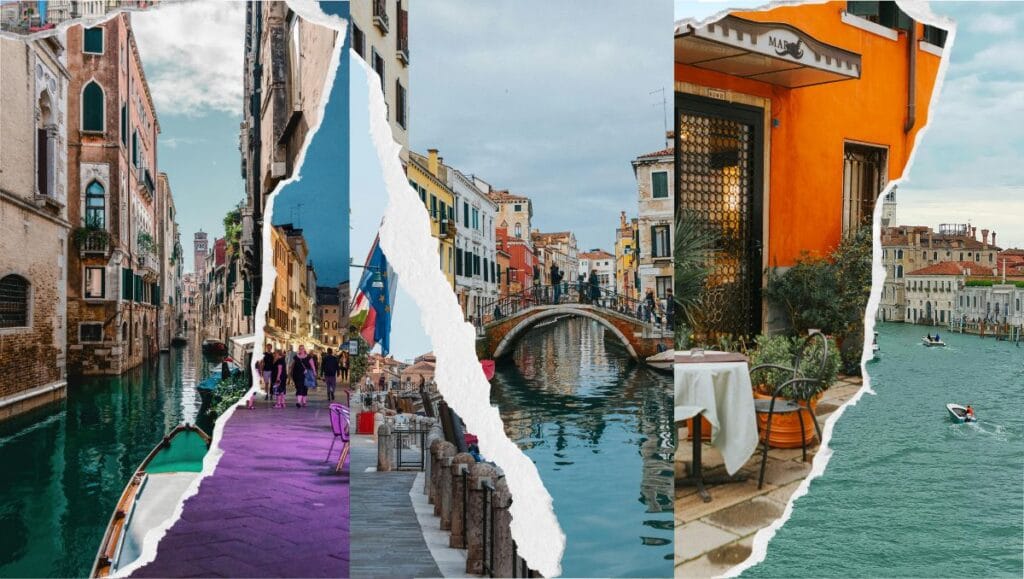
Venice is unlike any other city in the world, and first-time visitors who arrive without preparation often make avoidable mistakes.
These Best Places to visit in Venice travel tips are designed to help you navigate the city confidently, save money, and enjoy the experience without unnecessary stress.
1. Venice Is Smaller Than You Think-But Slower to Navigate
Venice looks compact on a map, but walking times can be deceptive. Narrow alleys, bridges, crowds, and detours mean routes often take longer than expected. Always add extra buffer time, especially if you’re catching a vaporetto or checking out of a hotel.
2. Avoid Restaurants With Picture Menus Near Major Attractions
Restaurants near St. Mark’s Square, Rialto Bridge, and major ferry stops often charge inflated prices for average food. Walk just 5 – 10 minutes away from tourist corridors to find better quality and more authentic Venetian meals.
3. Embrace Cicchetti Culture for Affordable Eating
Cicchetti-small Venetian bar snacks-are one of the best ways to eat well on a budget. Pair them with a glass of local wine (ombra) and enjoy a casual, local-style meal. This is especially popular in Cannaregio and Dorsoduro.
4. Cash Is Still Useful in Venice
While credit cards are widely accepted, small bakeries, local bars, and market vendors may prefer cash. ATMs are available throughout the city, but it’s wise to carry small bills.
5. Pack for Walking and Stairs
Venice has over 400 bridges-many without ramps or elevators. Comfortable walking shoes are essential, especially if you’re carrying luggage. Lightweight luggage makes a noticeable difference.
6. Learn Basic Vaporetto Etiquette
Public boats can get crowded. Stand to the side when boarding, validate tickets before boarding, and be prepared to move luggage quickly. Knowing the main routes (Lines 1 and 2 on the Grand Canal) saves time.
7. Visit Popular Attractions Early or Late
St. Mark’s Basilica and the Doge’s Palace are far more enjoyable early in the morning or late afternoon. Midday crowds peak between 10:30 a.m. and 3:30 p.m.
8. Stay in the City Center for a First Visit
First-time visitors benefit from staying in central districts like San Marco (quiet side streets), Dorsoduro, or Cannaregio. Staying on the mainland saves money but adds daily commute time.
9. Expect Higher Prices-But Exceptional Atmosphere
Venice is more expensive than many Italian cities, but you’re paying for a one-of-a-kind setting. Simple meals, house wine, and local bakeries help keep costs manageable.
10. Slow Down and Get Lost on Purpose
Some of Venice’s best moments come from wandering aimlessly. Allow time to explore without an agenda-you’ll discover hidden squares, quiet canals, and authentic local life.
Quick Venice Travel Tips
- Walk whenever possible-Venice is a pedestrian city
- Avoid peak lunch and dinner times near attractions
- Book attractions and transport passes in advance
- Eat where locals eat, not where tourists gather
These Venice travel tips help first-time visitors experience the city beyond the postcard highlights, making your trip smoother, more affordable, and far more memorable.
Acqua Alta (Flooding) Explained for First-Time Visitors
Acqua alta refers to periodic high tides that cause parts of Venice to flood, usually between November and February.
What first-time visitors should know:
- Flooding is temporary and typically lasts a few hours
- Raised walkways are installed in affected areas
- Waterproof shoes or boots are recommended in winter
- Major attractions remain open
Acqua alta should not deter visitors, but awareness helps with planning and packing.
Venice Entry Fees & Day-Tripper Rules: What First-Time Visitors Need to Know
Venice has introduced entry fees and new regulations for day-trippers as part of an effort to manage overtourism and protect the historic city. For first-time visitors, understanding these rules is important because they affect costs, planning, and crowd levels, especially if you’re visiting Venice for only one day.
These rules mainly target short-term visitors who enter Venice without staying overnight, while travelers staying in hotels within Venice are generally exempt.
What Is the Venice Entry Fee?
The Venice Entry Fee is a contribution charged to day visitors entering the historic city center on selected high-traffic days. It is not a ticket to attractions but rather a crowd-management measure designed to reduce congestion during peak periods.
Key points to understand:
- Applies primarily on busy days (weekends, holidays, peak season)
- Targets day-trippers, not overnight guests
- Overnight visitors already pay a tourist tax through their accommodation
- Checks are random, not at every entrance
How Much Is the Venice Entry Fee?
| Visitor Type | Typical Cost | Notes |
|---|---|---|
| Day-tripper | €5 – €10 | Price varies by date |
| Overnight guest | €0 | Tourist tax applies instead |
| Children under 14 | Free | Must be accompanied |
The amount may increase during extremely busy days, encouraging visitors to either arrive earlier, stay overnight, or visit during less crowded periods.
Who Needs to Pay-and Who Is Exempt?
You need to pay the entry fee if:
- You are visiting Venice for the day
- You are not staying overnight in the historic city
- You arrive during regulated dates and times
You are exempt if:
- You stay in a registered hotel, B&B, or apartment in Venice
- You are a resident of Venice or the Veneto region
- You are a student or worker commuting into the city
Visitors staying on the mainland (such as Mestre) but sightseeing in Venice may still need to pay if they do not stay overnight within Venice itself.
Why These Rules Matter for First-Time Visitors
Many first-time travelers underestimate how crowded Venice becomes between late morning and mid-afternoon, especially around St. Mark’s Square. These rules aim to:
- Reduce peak-hour overcrowding
- Improve visitor experience
- Encourage longer, more meaningful stays
If Venice is a highlight of your Italy trip, staying at least one night inside the city often leads to a calmer, more enjoyable experience-especially in the early morning and evening.
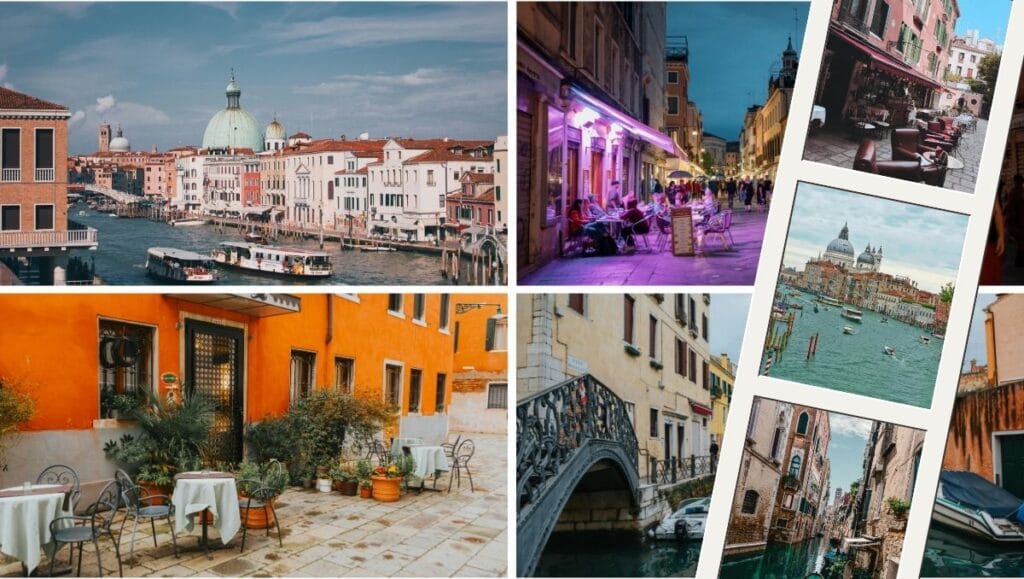
Tips to Navigate Venice Entry Rules Smoothly
- Book accommodation inside Venice when possible
- Keep proof of your hotel booking (digital or printed)
- Avoid peak entry hours (roughly 10:30 a.m. – 4:00 p.m.)
- Check official dates before planning a day trip
- Consider arriving early or staying late to enjoy quieter moments
Quick Answers
- Do tourists have to pay to enter Venice?
Yes, some day-trippers must pay an entry fee on peak days. - Do hotel guests pay the Venice entry fee?
No. Overnight guests are generally exempt. - Is Venice still worth visiting with the entry fee?
Yes. The fee mainly affects short visits and helps improve the experience.
Venice with Kids, Couples, and Seniors: What to Expect by Travel Style
Venice appeals to different types of travelers in very different ways. While the city is compact and car-free, its bridges, walking distances, and crowds can affect how enjoyable it feels depending on your travel style. Knowing how Venice works for families, couples, and seniors helps you plan at the right pace and choose the right neighborhood.
Visiting Venice with Kids
Venice can feel like a fairytale city for children, especially because of its boats, canals, and open squares. However, it requires realistic planning. Venice works best for families who slow the pace and avoid over-scheduling.
Why Venice works well for families:
- No cars, making it safer than many cities
- Vaporetto rides feel like an attraction
- Open spaces like St. Mark’s Square allow kids to move freely
Challenges for families:
- Over 400 bridges, many without ramps
- Cobblestones and stairs make strollers harder to use
- Walking distances can feel longer than expected
Family-friendly tips:
- Use a lightweight, foldable stroller
- Stay near vaporetto stops to reduce walking
- Plan shorter sightseeing days
- Visit Murano glass workshops or boat rides to keep kids engaged
Venice for Couples and Honeymooners
Venice is one of the world’s most romantic cities-especially outside peak daytime hours. Couples benefit the most from staying overnight, as Venice becomes dramatically calmer in the early morning and evening.
Why couples love Venice:
- Quiet canals at night
- Atmospheric walks after sunset
- Candlelit dinners by the water
Best experiences for couples:
- Evening strolls in Dorsoduro or San Polo
- Sunset lagoon cruises
- Boutique hotels with canal views
- Early-morning walks before crowds arrive
Venice for Seniors and Slow Travelers
Venice is surprisingly well-suited to seniors who enjoy slower travel and cultural immersion. With the right base and pacing, Venice can be very rewarding for mature travelers.
Why Venice works for seniors:
- Flat walking routes along canals
- Compact districts
- Extensive vaporetto network
Considerations for seniors:
- Bridge steps can be tiring
- Luggage handling requires planning
- Rest breaks are essential
Senior-friendly tips:
- Choose hotels close to Grand Canal vaporetto stops
- Use water taxis on arrival and departure days
- Visit attractions early in the morning
- Build café stops into daily routes
Quick Answers
- Is Venice good for kids?
Yes, with planning and a slower pace. - Is Venice suitable for seniors?
Yes, especially with vaporetto access and central hotels. - Is Venice romantic for couples?
Absolutely-especially early mornings and evenings.
Best Areas to Stay by Travel Style
| Travel Style | Best Neighborhoods | Why It Works |
|---|---|---|
| Families | Cannaregio | Quieter, residential, spacious |
| Couples | Dorsoduro, San Polo | Romantic atmosphere |
| Seniors | San Marco (quiet streets) | Central, flat routes |
| Budget travelers | Cannaregio, Mestre | Better value |
Venice as a Base for Lagoon Islands: Why Staying Overnight Matters
Using Venice as a base to explore the Venetian Lagoon islands is one of the smartest choices first-time visitors can make. While many travelers rush through Venice as a day trip, staying overnight allows you to experience not only the city itself, but also the unique character of nearby islands like Murano, Burano, and Torcello-each offering something completely different from the historic center.
Venice’s vaporetto (water bus) system makes island hopping easy, affordable, and well-organized, turning Venice into a natural hub for lagoon exploration.
Why Venice Is the Best Base for Island Hopping
Staying in Venice allows you to:
- Depart early before day-trip crowds arrive
- Return in the evening when islands become quieter
- Avoid long travel times from the mainland
- Combine island visits with sightseeing in the historic center
Hotels located near Fondamente Nove, San Zaccaria, or the Grand Canal offer especially convenient access to island routes.
Best Lagoon Islands to Visit from Venice
Murano: Glassmaking Capital of Venice
Murano is world-famous for its glassmaking tradition, which dates back centuries.
Why visit Murano:
- Live glass-blowing demonstrations
- Glass museums and artisan workshops
- Easy half-day trip from Venice
Travel time: 10 – 15 minutes by vaporetto
Best for: First-time visitors, families, short stays
Burano: Colorful Houses & Local Life
Burano is known for its brightly painted houses and lace-making heritage. It feels more like a small fishing village than a tourist destination.
Why visit Burano:
- Highly photogenic streets
- Relaxed, village-like atmosphere
- Traditional seafood restaurants
Travel time: 40 – 45 minutes from Venice
Best for: Couples, photographers, slow travelers
Torcello: Quiet & Historic Escape
Torcello is the least visited of the main lagoon islands and offers a peaceful contrast to busy Venice.
Why visit Torcello:
- Historic cathedral with Byzantine mosaics
- Green spaces and walking paths
- Minimal crowds
Travel time: About 50 minutes
Best for: Seniors, history lovers, travelers seeking calm
Lagoon Islands Overview Table
| Island | Known For | Time Needed | Best For |
|---|---|---|---|
| Murano | Glassmaking | 2 – 4 hours | First-timers, families |
| Burano | Colorful houses | Half day | Couples, photography |
| Torcello | History & nature | 2 – 3 hours | Seniors, slow travel |
How to Plan a Lagoon Day Trip from Venice
Best approach for first-time visitors:
- Start early (before 9:00 a.m.)
- Visit Murano first, then Burano
- Add Torcello only if time allows
- Return to Venice before evening rush
Using a 24-, 48-, or 72-hour vaporetto pass is far more cost-effective than buying single tickets.
Common Mistakes to Avoid
- Trying to visit all islands in one afternoon
- Visiting Burano at peak midday hours
- Skipping Venice nights (early mornings are magical)
- Underestimating travel time between islands
Lagoon islands reward a relaxed pace.
Is Staying Overnight in Venice Worth It for Island Visits?
Yes-staying overnight in Venice makes lagoon exploration simpler, calmer, and more rewarding. Early departures and late returns allow you to experience the islands beyond the peak tourist window, while also enjoying Venice at its most peaceful.
Quick Answers
- Can you visit Murano and Burano from Venice?
Yes, both are easily accessible by vaporetto. - Is Venice a good base for island hopping?
Absolutely. Venice is the best base for exploring the lagoon. - How many islands should first-time visitors see?
Two islands (Murano + Burano) are ideal.
Final Tips for the Best Places to Visit in Venice
Venice is a destination unlike any other, rewarding travelers who slow down and explore beyond the main sights.
By understanding transportation, choosing the right neighborhood, budgeting realistically, and visiting at the right time, first-time travelers can experience Venice at its best.
To truly enjoy the best places to visit in Venice, start by understanding transportation.
Venice is entirely pedestrian-friendly, with vaporettos (water buses) connecting major districts and islands.
Planning your routes in advance saves time and helps you move easily between highlights like St. Mark’s Basilica, Doge’s Palace, and the colorful island of Burano.
Walking, however, remains the best way to discover hidden gems that rarely make it into guidebooks.
Choosing the right neighborhood also shapes your experience. While staying near St. Mark’s Square puts you close to iconic landmarks, districts like Dorsoduro and Cannaregio offer a quieter, more local atmosphere.
These areas provide easier access to some of the best places to visit in Venice without the constant crowds, allowing you to explore at a relaxed pace.
Budgeting realistically is equally important.
Venice can be expensive, but thoughtful planning-such as booking tickets in advance, visiting museums on discounted days, and dining away from tourist-heavy areas-makes a significant difference.
Many of the best places to visit in Venice, including scenic canals, historic bridges, and charming neighborhoods, can be enjoyed for free simply by wandering and observing daily life.
Timing your trip carefully will also enhance your visit.
The shoulder seasons of spring and fall offer pleasant weather and fewer crowds, making it easier to appreciate the best places to visit in Venice without long lines or packed walkways.
Early mornings and evenings are particularly magical, when the city feels calmer and the golden light reflects beautifully across the canals.