Travel Value Finder

A TravelValueFinder.com guide by Leslie Nics. Last revised September 2026, following extended travel across southern and central Spain.
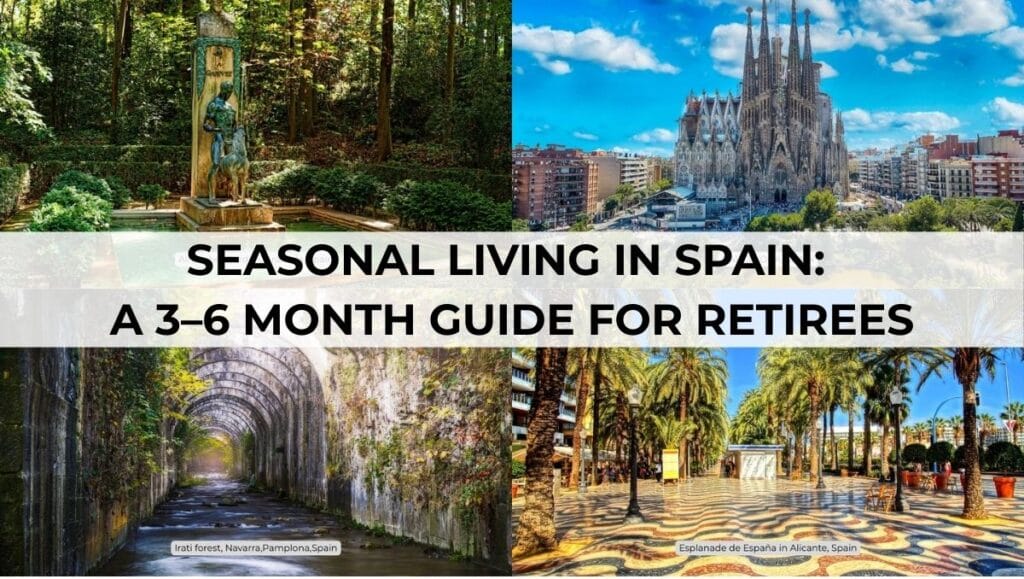
Spain for retirees usually means chasing better weather for part of the year, not relocating for good. Most retirees split their year, heading south for mild winters and north or home again once summer heat arrives. Three to six months in one region is enough to settle into a real routine.
This guide covers how that kind of stay actually feels, from daily rhythm to the regions retirees return to most, without turning it into a financial plan.

Spain rewards this kind of visitor more than almost anywhere else in Europe. The country is used to long stayers, from northern European snowbirds to American retirees, and daily life rarely feels like it is being performed for tourists the way it can in more heavily visited destinations.
Table of Contents
The Pattern Most Retirees Fall Into: Chasing Two Seasons
Spain’s regions swing more by climate than most visitors expect. Many retirees end up following the same seasonal pattern year after year, without planning it that way at first.
| Season | Where Retirees Tend to Head | Why |
| Winter (Nov to Mar) | Costa del Sol, Costa Blanca | Mild days, dry air, and an established retiree community |
| Spring (Apr to Jun) | Valencia, Seville | Comfortable temperatures before the summer heat arrives |
| Summer (Jul to Sep) | Northern Spain or home | Inland and southern heat pushes many people north or away entirely |
| Fall (Oct) | Coastal Andalusia again | The shoulder season with warm days and thinning crowds |
A Typical Week, Not a Typical Budget
Spanish daily life runs on a different clock than most US schedules. Mornings move slowly, afternoons pause, and evenings stretch out. It takes a couple of weeks to stop fighting that rhythm.
The paseo, an evening walk through town, is less a tourist activity and more a daily habit for locals and long stayers alike. Markets replace big grocery runs, and lunch is often the main meal of the day.
I stopped checking the clock around week three. That was the moment Spain actually started to feel different from a vacation.” Leslie Nics, TravelValueFinder.com
Restaurants often do not open for dinner until eight or nine, and locals rarely sit down before nine thirty. Fighting this schedule for a two week trip is manageable. Fighting it for three months is exhausting, and most long stayers eventually give in and shift their own clock to match.
Sundays bring their own rhythm too. Many shops close entirely, and town squares fill with families out for a long, unhurried lunch. It took me longer than I expected to stop treating Sunday closures as an inconvenience and start treating them as a cue to slow down myself.
Regions Retirees Keep Returning To
Costa del Sol and Costa Blanca
These southern coasts draw the largest returning retiree crowd, with mild winters and an easy social scene. English is common enough that daily errands rarely feel difficult.
Towns like Marbella and Estepona along the Costa del Sol, and Alicante and Javea along the Costa Blanca, each carry a slightly different character despite sitting on the same general coastline. Marbella leans more polished, while Estepona keeps a smaller, more local feel just a short drive away.
Valencia
Valencia balances city amenities with a calmer pace than Barcelona or Madrid. Wide beaches and a walkable center make it popular for spring and fall stays.
Northern Spain
Asturias and Galicia offer a cooler, greener alternative when the south gets hot. They see far fewer retirees overall, which suits travelers who want quiet over community.
The pace in the north also runs noticeably slower than the coast, closer to rural France than to the Costa del Sol. Fishing villages along the Galician coast make for a quiet, unhurried few weeks, with far less English spoken than in the south.
Seville and Inland Andalusia
Seville brings the warmth of the south into a genuine city, with flamenco bars, orange tree lined streets, and a historic center built for walking. It runs hotter than the coast in summer, so most long stayers visit in spring or fall instead.
Smaller Andalusian towns like Ronda and Antequera offer a quieter version of the same region, with dramatic scenery and a fraction of the visitors that Seville sees.
Building a Social Life Without a Permanent Address
Hobby groups do more for a short stay than any single event. Walking clubs, language exchanges, and cooking classes repeat weekly, which builds familiar faces fast.
Local markets and cafes work the same way over time. Returning to the same stall or table each week turns strangers into regulars, even on a stay of a few months.
Expat associations exist in most retiree heavy towns, and while they can feel a little insular, they are often the fastest way to get practical, current advice about a specific town. Mixing those groups with local activities, rather than relying on either one alone, tends to produce the richest few months.
Underneath the pattern, most first timers make similar early mistakes: trying to see every region in one stay instead of settling into one, underestimating how much summer heat changes daily plans inland, and packing for one season instead of the shifting weather across a longer stay.
Keeping the Logistics Simple
Many retirees structure a Spain stay around the 90 day Schengen limit for visa free visits. Rules and visa categories can change, so check official Spanish and US government sources before setting your dates.
A local SIM or eSIM makes daily logistics easier than relying on rental wifi. Spain’s rail network connects most regions well enough that a car is optional in the bigger coastal towns.
Finding a rental built for a stay of months rather than nights is worth the extra search time.
Long term rental listings tend to include a real kitchen and laundry access, both of which matter far more over a season than they do on a short trip. Asking about heating is worth it too, since many coastal properties are built with summer in mind and can run cold in the shoulder seasons.
FAQ Spain for Retirees
Is Spain a good fit for a first extended stay abroad?
Yes. English is widely understood in retiree heavy regions, and the pace is gentler than many first timers expect from a new country.
Do you need to speak Spanish to enjoy a longer stay?
Not in the main retiree regions, though a few basic phrases open up more of daily life. Locals generally appreciate the effort.
Which season is busiest with visitors?
Summer along the coasts, by a wide margin. Spring and fall offer a calmer version of the same scenery.
How does Spain’s pace compare to Portugal or France?
Spain runs later in the day than both, with dinners and social hours pushed further into the evening. All three share a slower overall rhythm than a typical US schedule.
Is it common to bring a pet on a longer Spain stay?
Yes, many long stayers do, and most rentals in retiree heavy regions are used to accommodating them. Airline pet policies are worth checking well ahead of travel.
Where can I compare specific regions in more depth?
See our best regions in Spain guide for a closer look at how the regions differ.
Climate detail draws on Agencia Estatal de Meteorologia, Spain’s national weather service. Country and safety information comes from the US Department of State. Rail detail comes from Renfe, and tourism context from Turespana, Spain’s national tourism board.